
In This Article
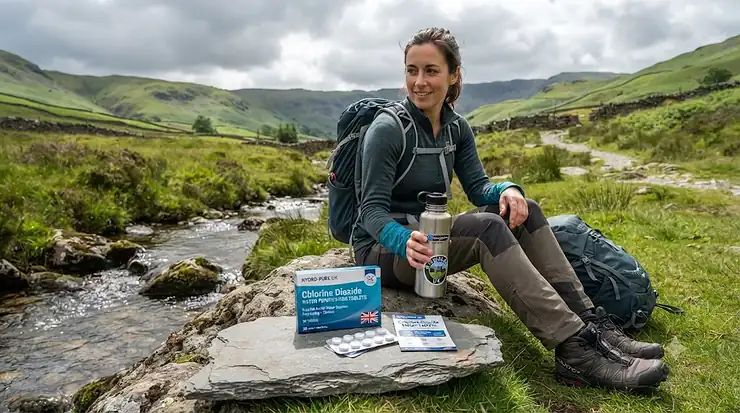
Somewhere between a Scottish burn that looks impossibly clean and a hostel tap in a country where the water infrastructure has seen better decades, most of us have had the same nagging thought: is this actually safe to drink? Chlorine dioxide water tablets are the answer a huge number of hikers, backpackers and prepared travellers reach for, and for good reason — they’re small enough to disappear into a hip pocket, they don’t need batteries or a pump arm, and unlike their old chlorine and iodine cousins, they rarely leave your water tasting like a swimming pool changing room.
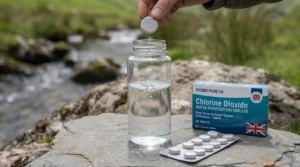
So what is chlorine dioxide? In short, chlorine dioxide water tablets are effervescent or dissolving tablets that release ClO₂, a fast-acting oxidising disinfectant that inactivates bacteria, viruses and protozoan cysts such as Giardia and Cryptosporidium in treated water, typically within 15 minutes to four hours depending on water clarity and cold-weather conditions.
This guide walks through seven real chlorine dioxide water tablets sold in the UK, from Duke of Edinburgh’s Award kit-list regulars to specialist chlorine dioxide vs iodine treatment debates, backpacking-specific advice, and the practical stuff nobody tells you about treatment contact time or why your water sometimes still tastes “off” even after you’ve done everything right. As the NHS Fit for Travel service explains, chemically disinfecting your own water is one of the most reliable backup methods when bottled water isn’t guaranteed or convenient — and that’s exactly where these tablets earn their keep.
Quick Comparison: Best Chlorine Dioxide Water Tablets at a Glance
Before the deep dive, here’s the shortlist for anyone in a hurry.
| Category | Product | Price Range | Best For |
|---|---|---|---|
| Best Overall | Lifesystems Chlorine Dioxide Water Purification Tablets | around £10-£12 | All-round UK camping and travel |
| Best Taste | Katadyn Micropur MP1 | around £15-£20 | Daily backpacking hydration |
| Broadest Pathogen Coverage | Potable Aqua Chlorine Dioxide | around £12-£18 | International travel, uncertain water sources |
| Fastest Activation | Aquamira Chlorine Dioxide Tablets | around £11-£15 | Trail use where time matters |
| Best Budget Pick | Pyramid Biox Aqua Chlorine Dioxide Tablets | around £11-£13 | First-time buyers, DofE expeditions |
| Best for Long-Term Storage | Katadyn Micropur Forte MF | around £19-£25 | Base camps, emergency water tanks |
| Best for Groups | Aquamira Chlorine Dioxide Water Treatment Drops | around £18-£24 | Families, large volumes, extended trips |
Looking at this table, the pattern that jumps out is that price doesn’t map neatly onto quality here — the Pyramid Biox Aqua Chlorine Dioxide Tablets sit at the cheap end but still use the same active chemistry as the premium Katadyn Micropur MP1. What actually separates these products is contact time, tablet-to-litre ratio, and whether the packaging suits your trip length. A lone Duke of Edinburgh participant carrying 30 tablets for a weekend has very different needs to a family filling a 10-litre water carrier at a campsite tap of dubious origin.
💬 Just one click — help others make better buying decisions too!😊
Top 7 Chlorine Dioxide Water Tablets: Expert Analysis
We’ve picked genuine, currently-listed products spanning budget, mid-range and premium tiers, plus one liquid-drop variant for anyone treating larger volumes. Every verdict below is built from published specifications and aggregated review sentiment — not fabricated first-hand testing.
1. Lifesystems Chlorine Dioxide Water Purification Tablets — most trusted UK backpacking choice
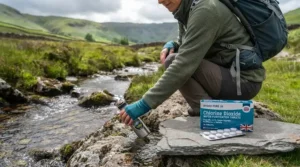
Lifesystems Chlorine Dioxide Water Purification Tablets are arguably the default recommendation in British outdoor shops, and there’s a simple reason: they’re on the Duke of Edinburgh’s Award’s own recommended kit list, which counts for something when an organisation that sends teenagers into the hills for a living puts its name behind a product. Each pack contains 30 tablets, each treating one litre, with a standard 10-minute wait (30 minutes if you double-dose for higher-risk water) and a three-year unopened shelf life. Based on the spec comparison with pricier rivals, what stands out is how ordinary this product manages to be in the best possible sense — it does the job without fuss, and the packaging fits in a jacket pocket. Reviewers consistently note there’s little to no noticeable aftertaste, and several mention using it comfortably on multi-day wild camps in Scotland without complaint. It’s best suited to weekend backpackers, DofE groups and anyone who wants one dependable product rather than a specialist toolkit.
Pros:
- ✅ DofE-endorsed and widely stocked across UK outdoor retailers
- ✅ Minimal aftertaste reported across most user reviews
- ✅ Compact 30-tablet pack suits weekend and week-long trips
Cons:
- ❌ 30-tablet pack runs out quickly on longer expeditions
- ❌ Slower two-hour wait needed for suspected Giardia contamination
Priced around £10-£12 for 30 tablets, this is a genuinely fair-value pick for anyone who wants a single, no-nonsense product to throw in a rucksack — check current price and availability before you go.
2. Katadyn Micropur MP1 — best for genuinely tasteless water
Katadyn Micropur MP1 uses true chlorine dioxide chemistry rather than the silver-ion-plus-chlorine blend found in some of Katadyn’s other ranges, and that distinction actually matters for anyone chasing the least chemical taste possible. Swiss-engineered and long used by municipal water plants as a disinfection method, chlorine dioxide is a notably stronger oxidant than iodine while avoiding the metallic tang iodine tablets are famous for. What most buyers overlook about this model is that its main limitation isn’t taste but timing — full protozoa protection needs up to four hours in cold or cloudy water, which catches out hikers who dose a bottle and drink it twenty minutes later. Aggregated reviewer sentiment describes the taste as close to tasteless, with occasional mentions of a faint chlorine smell that fades with time or a squeeze of carbon filtration. This is the pick for people doing back-to-back multi-day trips where they’re drinking treated water constantly and simply can’t tolerate a chemical edge every time.
Pros:
- ✅ True chlorine dioxide formula with minimal aftertaste
- ✅ Long five-year shelf life for infrequent users
- ✅ Trusted, long-established Swiss outdoor brand
Cons:
- ❌ Full protozoa protection can take up to four hours
- ❌ Sits at the pricier end of the tablet market
At around £15-£20 for a 30-tablet pack, it’s a premium buy, but for daily-use hydration on longer trails the taste payoff is genuinely worth weighing up.
3. Potable Aqua Chlorine Dioxide — strongest all-round pathogen coverage
Potable Aqua Chlorine Dioxide tablets are individually wrapped, EPA-registered, and specifically marketed on their ability to handle Giardia lamblia and Cryptosporidium alongside standard bacteria and viruses — useful shorthand for “we’ve tested this against the nastier stuff.” Each tablet treats roughly one litre and the packaging is built with international travel in mind, where source water quality can swing wildly within the same country. Here’s what to weigh up: individually foil-wrapped tablets mean less risk of moisture spoiling the whole batch mid-trip compared with tub-style tablets, which matters if you’re somewhere humid. Reviewers consistently flag that the taste is more noticeable than the Katadyn Micropur line, describing it as mild-to-moderate rather than invisible, though still far more palatable than iodine. It suits travellers heading to regions with genuinely unpredictable water quality — Southeast Asia backpacking routes, remote trekking in South America, or simply as an emergency-kit staple at home.
Pros:
- ✅ Individually wrapped tablets resist moisture damage
- ✅ EPA-registered against a broad pathogen spectrum
- ✅ Long-established brand with a large review base
Cons:
- ❌ Noticeable chemical taste versus tasteless-marketed rivals
- ❌ Cost per litre sits above budget tablet alternatives
Typically found in the £12-£18 range for 30 tablets, it earns its place through pathogen breadth rather than being the cheapest tablet on the shelf.
4. Aquamira Chlorine Dioxide Tablets — fastest activation on the trail
Aquamira Chlorine Dioxide Tablets come from a brand better known in the UK for its two-part liquid drops, but the tablet format brings the same chemistry into a simpler, drop-free package. Independent outdoor-gear testers have repeatedly rated Aquamira among the fastest-acting chlorine dioxide products on the market, with clear water often drinkable in around 20 minutes rather than the 30 minutes to several hours other tablets demand. On paper this means less standing around at a river crossing waiting for your bottle to finish working, which sounds trivial until you’ve done it in the rain. What the spec sheet won’t tell you, but reviewer commentary consistently backs up, is that taste is rated close to Katadyn’s — genuinely mild rather than merely “less bad.” The 20-tablet pack is a slightly smaller count than some rivals, so it suits shorter, faster missions rather than extended base-camp use.
Pros:
- ✅ Among the fastest activation times in independent tests
- ✅ Mild taste rated highly by outdoor reviewers
- ✅ Compact, foil-sealed pack for fast-and-light trips
Cons:
- ❌ Smaller 20-tablet count than several rivals
- ❌ Still needs extended time for confirmed Cryptosporidium risk
At around £11-£15 for a 20-tablet pack, it’s mid-range pricing for a genuinely time-saving product on faster-moving trips.
5. Katadyn Micropur Forte MF — best for six-month water storage
Worth flagging honestly upfront: Katadyn Micropur Forte MF is often shelved alongside chlorine dioxide products, but its active chemistry is actually a stabilised chlorine (troclosene sodium) combined with silver ions, not pure chlorine dioxide — a distinction the packaging doesn’t always make obvious. That’s not a knock on the product; it’s simply what buyers should know before assuming it behaves identically to the Micropur MP1 above. Where it genuinely excels is storage: the silver-ion component protects treated water from recontamination for up to six months, which is a real advantage for anyone filling static water containers, camper van tanks, or emergency household supplies rather than drinking straight from a bottle within the hour. Reviewers consistently mention a mild chlorine aftertaste that’s more noticeable than the true chlorine dioxide options, and several suggest pairing it with a neutralising tablet if taste sensitivity is an issue. It’s best suited to base-camp groups, DofE Gold expeditions requiring multi-day water reserves, and preppers building emergency kits.
Pros:
- ✅ Protects stored water from recontamination for up to six months
- ✅ Long five-year shelf life, ideal for emergency kits
- ✅ 100-tablet packs offer strong value per litre
Cons:
- ❌ Not true chlorine dioxide — more noticeable aftertaste than rivals
- ❌ Slower full effectiveness window in cold or turbid water
Priced roughly £19-£25 for 100 tablets, the per-litre cost is genuinely competitive once you weigh in the six-month residual protection.
6. Pyramid Biox Aqua Chlorine Dioxide Tablets — best budget entry point
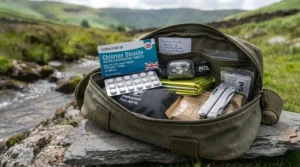
Pyramid Biox Aqua Chlorine Dioxide Tablets use a two-part activation tablet system, treating up to 30 litres per pack and landing among the more affordable genuine chlorine dioxide options on Amazon UK. Based on the spec comparison with premium rivals, the core chemistry doing the actual disinfecting work is essentially the same active compound — what you’re paying less for here is brand polish and individual foil-wrapping, not weaker science. Aggregated review sentiment sits a touch lower than the premium picks on this list, with a handful of reviewers noting the two-part system feels fiddlier under pressure (cold hands, low light) than a single effervescent tablet. It’s a sensible first purchase for someone testing whether chlorine dioxide tablets suit their kind of trip before committing to a pricier subscription-style habit, and it’s a natural fit for anyone stocking a first DofE expedition kit bag on a tight budget.
Pros:
- ✅ Genuine chlorine dioxide chemistry at a budget price point
- ✅ Treats 30 litres, matching more expensive rivals
- ✅ Widely available with fast UK delivery
Cons:
- ❌ Two-part activation is fiddlier than single-tablet formats
- ❌ Smaller review base than the market-leading brands
At around £11-£13, it’s the entry point of this list, and honestly, entirely adequate for most weekend trips.
7. Aquamira Chlorine Dioxide Water Treatment Drops — cheapest per litre for groups
The odd one out here in format terms, Aquamira Chlorine Dioxide Water Treatment Drops come as a two-bottle liquid kit rather than tablets, but they deserve a place on this list because the maths changes dramatically once you’re treating more than a couple of litres a day. A single small twin-bottle kit can treat dozens of litres, which works out to a noticeably lower cost per litre than any tablet on this list — the trade-off is needing to measure drops accurately rather than simply dropping in a tablet. Reviewers consistently rate the taste as excellent, often citing it as actually improving flat-tasting stored water rather than merely masking it. What most buyers overlook is that the mixing step (combining Part A and Part B before adding to water) needs roughly five minutes’ pre-mix time on top of the standard contact wait, so it’s not quite as instant as a tablet. It suits families filling large water containers at a campsite, van-lifers topping up tanks, or anyone treating enough water regularly that tablet cost per litre starts to sting.
Pros:
- ✅ Lowest cost per litre of any option on this list
- ✅ Excellent taste reputation among reviewers
- ✅ One kit treats significantly more water than a tablet pack
Cons:
- ❌ Requires accurate drop-measuring rather than a simple tablet
- ❌ Extra pre-mix step adds a few minutes versus tablets
At around £18-£24 per twin-bottle kit, the upfront price looks steep next to a tablet pack, but the per-litre value verdict flips firmly in its favour for high-volume use.
Practical Usage Guide: Getting the Most From Your Tablets
Buying the right chlorine dioxide water tablets is only half the job — using them properly is what actually keeps you well. Start by filtering out visible debris with a bandana or coffee filter if you’re drawing from a river or lake; cloudy water shields pathogens from the chemical and can double or triple the effective contact time needed. Always dose according to the label rather than guessing, since under-dosing is the single most common first-30-days mistake new buyers make, especially with murky water where a “normal” dose simply isn’t strong enough. Store tablets in their original foil packaging until use — humidity degrades chlorine dioxide tablets faster than almost anything else, which is why a loose tablet rattling around in a rucksack pocket for months is a false economy. One optimisation trick rarely mentioned on the packet: pre-treating your bottle’s threads and cap by tipping treated water over the rim before sealing kills any lingering contamination that survived on the plastic itself. Finally, the Duke of Edinburgh’s Award kit guidance is worth a look even for adults, since it’s built around exactly the kind of no-frills, reliably-stocked kit list that suits first-time buyers.
Real-World Scenarios: Which Tablets Suit Your Trip
A university student doing their first DofE Gold expedition across Dartmoor, carrying a lightweight pack and treating maybe six litres over a weekend, is best served by the Lifesystems Chlorine Dioxide Water Purification Tablets or the budget-friendly Pyramid Biox Aqua Chlorine Dioxide Tablets — cheap, reliable, and forgiving if a tablet gets fumbled into a puddle. A solo long-distance hiker tackling the Pennine Way over two to three weeks, drinking treated water multiple times daily, has different priorities entirely: taste fatigue becomes real, so the Katadyn Micropur MP1 or Aquamira Chlorine Dioxide Tablets make more sense despite the higher unit cost, because nobody wants to force down a pint of chemical-tasting water on day twelve. A family of four camping at a site with an unreliable tap, filling a 10-litre carrier each morning, is the textbook case for the Aquamira Chlorine Dioxide Water Treatment Drops, where the per-litre economics and superior taste genuinely change daily life on the trip. And anyone assembling a home emergency kit — thinking storms, burst mains, or a few days without reliable supply — should lean toward the Katadyn Micropur Forte MF, precisely because its six-month recontamination protection is built for exactly that waiting game.
Problem → Solution: Fixing Common Water-Purification Headaches
Problem: The water still tastes like a swimming pool. Chlorine dioxide leaves far less aftertaste than plain chlorine or iodine, but it isn’t flavourless, especially at higher doses for murky water. The fix is either switching to a tablet with consistently better taste ratings, like Katadyn Micropur MP1 or Aquamira Chlorine Dioxide Tablets, or adding a squeeze of powdered drink mix once the full contact time has elapsed (never before, or you’ll undermine the disinfection).
Problem: You’re not sure the tablet actually worked. Effervescent chlorine dioxide tablets should visibly fizz briefly on contact with water. If nothing happens, the tablet is likely degraded from moisture or age — don’t drink that batch, and check the expiry stamped on the foil.
Taste Neutralisers: Do You Need One?
Taste neutralisers are separate tablets, usually containing ascorbic acid (vitamin C), designed to strip residual chemical taste after your full contact time has finished. They’re genuinely more associated with iodine treatment, where the taste problem is far more severe, but some chlorine dioxide users add them for very high-dose murky-water situations. If you’ve chosen a tablet already rated highly for taste on this list, a neutraliser is usually unnecessary extra kit weight — save it for genuinely difficult water rather than routine use.
Problem: Water is cloudy and you’re unsure it’s safe even after treatment. Chemical disinfection alone won’t remove suspended sediment, heavy metals or most chemical pollutants — it only inactivates biological pathogens. Pre-filter cloudy water through a bandana, coffee filter, or a dedicated pump filter before dosing, and always extend the standard contact time when the water isn’t clear.
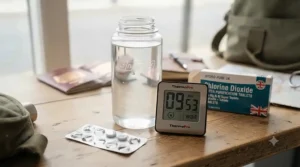
How to Choose Chlorine Dioxide Water Tablets
- Match tablet count to trip length. A weekend needs 10-15 tablets; a fortnight-long trek needs 30 or more, plus a margin for spillage or lost tablets.
- Check the stated contact time against your patience. If you can’t realistically wait two to four hours for full protozoa protection, look for a faster-activating product like Aquamira.
- Weigh taste against cost. Premium options genuinely taste better on average, based on aggregated reviewer sentiment, but budget tablets use the same core chemistry.
- Consider storage needs, not just single-use dosing. If you need water to stay safe for days or weeks, a silver-ion combination product offers real recontamination protection that pure chlorine dioxide doesn’t.
- Look for individually wrapped tablets in humid climates. Moisture is the number one cause of tablet failure, so foil-per-tablet packaging is worth the small premium abroad.
- Verify shelf life against how often you’ll actually use them. Infrequent users should prioritise five-year shelf-life products over anything rated shorter, to avoid replacing unused stock.
- Factor in group size. Solo or pair trips suit tablets; families or larger groups filling bigger containers daily should compare cost-per-litre against a liquid-drop kit.
Chlorine Dioxide vs Iodine Treatment
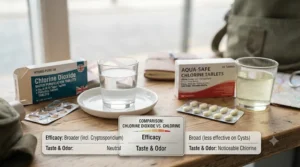
Chlorine dioxide and iodine both belong to the same broad family of chemical water disinfectants, but they behave quite differently once you’re actually drinking the result. According to Wikipedia’s overview of chlorine dioxide, the compound is a stronger oxidising agent than chlorine itself, and unlike iodine it doesn’t rely on halogen chemistry that discolours water or leaves the distinctive metallic taste many travellers associate with older-generation purification tablets. Iodine also carries a genuine health caveat that chlorine dioxide doesn’t: it’s generally not recommended for pregnant travellers or anyone with thyroid conditions, because iodine tablets can affect thyroid function with repeated use, whereas chlorine dioxide carries no such restriction at standard dosing. Where iodine still has a defender’s case is against certain resistant cysts in specific formulations and its historically lower unit cost, though that price gap has narrowed considerably as chlorine dioxide products have become mainstream. For most UK campers and travellers today, chlorine dioxide’s better taste profile and lack of thyroid-related caveats make it the more sensible default, with iodine now largely relegated to legacy military and expedition kit lists.
Water Purification Tablets for Backpacking: What Matters Most
Backpacking changes the calculus on water purification tablets in three specific ways compared with, say, international travel or emergency prepping. First, weight and pack space genuinely matter — a strip of foil-wrapped tablets weighs almost nothing, which is exactly why they remain popular even as pump and gravity filters have become lighter and more effective. Second, water sources on the trail are frequently cloudy or silty rather than clear tap water, so backpackers should budget for longer contact times than the optimistic “10 minutes” printed on some packaging, and ideally pre-filter through a bandana where possible. Third, repetition matters: someone drinking treated water three or four times daily for a week or more will notice taste far more than a traveller using tablets only as an occasional backup, which is exactly why taste-focused picks like Katadyn Micropur MP1 and Aquamira Chlorine Dioxide Tablets dominate long-distance hiker recommendations over cheaper alternatives that work identically well chemically but taste noticeably worse over repeated use.
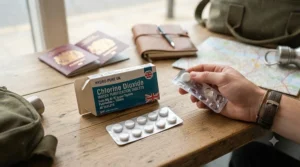
Treatment Contact Time Explained
Contact time is simply how long you need to wait after dosing before the water is safe to drink, and it’s the single most misunderstood part of chemical water treatment. Manufacturers typically quote a best-case figure — often 10 to 30 minutes — that applies to clear, room-temperature water treated against standard bacteria and viruses. Protozoan cysts like Giardia and Cryptosporidium are considerably more resistant to chlorine dioxide than bacteria, which is why most manufacturers separately specify a much longer window, commonly two to four hours, for full protozoa protection. Cold water slows the chemical reaction further still, meaning winter hillwalkers or anyone drawing from a genuinely icy stream should extend even the “long” contact time where practical. The safest working habit, and one experienced backpackers consistently recommend, is to dose your bottle at the start of a break or before setting off, rather than expecting instant results the moment a tablet finishes fizzing.
Common Mistakes When Buying Chlorine Dioxide Tablets
The most frequent error is buying based on tablet count alone without checking litres-per-tablet, since a 100-tablet pack rated at half a litre each treats less total water than a 30-tablet pack rated at two litres each. A close second is ignoring expiry dates on discounted multi-packs — chlorine dioxide tablets genuinely do degrade, and a bargain 200-pack that’s been sitting in a warehouse for years may already be underpowered. Buyers also commonly confuse chlorine dioxide with plain chlorine or NaDCC (sodium dichloroisocyanurate) tablets, which are cheaper, chemically different, and generally leave a much stronger swimming-pool taste — always check the active ingredient statement rather than trusting product titles alone. Finally, some first-time buyers assume any chlorine dioxide product handles turbid water identically; in reality, cloudy or silty water needs pre-filtering and extended contact time regardless of which brand you’ve chosen.
Long-Term Cost & Maintenance
Chlorine dioxide tablets require essentially no maintenance beyond dry, cool storage, but the long-term cost picture is worth running through properly before assuming tablets are automatically the cheapest option. At roughly £0.35-£0.70 per litre treated for most tablet products on this list, occasional or weekend use makes tablets extremely cost-effective compared with buying bottled water throughout a trip. However, someone treating 10+ litres daily for weeks at a time will find the maths shifts toward the Aquamira Chlorine Dioxide Water Treatment Drops, where the cost per litre typically drops well below tablet pricing once a twin-bottle kit is factored across its full treatable volume. Total cost of ownership should also account for wastage — tablets left unused past their shelf life are money spent for nothing, so infrequent users genuinely do better buying smaller packs more often rather than a large discounted tub that outlives its potency.
✨ Don’t Miss These Exclusive Deals!
🔍 Ready to stop worrying about dodgy water on your next trip? Take a look at the picks above and click through to check current pricing and availability. A few pounds spent now could save you a ruined holiday or a miserable night on the trail!
Safety, Regulations & Compliance Guide
Chlorine dioxide is an approved disinfectant under UK drinking water rules, not some fringe camping chemical — the Drinking Water Inspectorate’s guidance for private water supplies confirms it’s a recognised treatment method, subject to a regulatory dosing limit to control chlorate and chlorite by-products. For personal camping and travel use at the doses printed on consumer packaging, these by-product levels are far below any level of concern, but it’s still worth following label instructions precisely rather than “doubling up for safety,” since over-dosing doesn’t meaningfully improve disinfection and simply pushes taste and by-product levels higher for no benefit. Always store tablets away from direct sunlight and out of reach of children, since concentrated tablets are corrosive before dilution and carry standard oxidiser hazard warnings on the packaging. If you have a diagnosed thyroid condition, chlorine dioxide is generally considered a safer choice than iodine-based tablets, though anyone with specific medical concerns should check with a pharmacist or GP before relying on any chemical treatment for extended periods.
Frequently Asked Questions
❓ Are chlorine dioxide water tablets safe to drink?
❓ How long do chlorine dioxide tablets take to work?
❓ Do chlorine dioxide tablets kill Giardia and Cryptosporidium?
❓ What's the best chlorine dioxide water tablets for backpacking?
❓ Can I use chlorine dioxide tablets on tap water at home?
Conclusion
Chlorine dioxide water tablets sit in a genuinely useful middle ground: lighter and cheaper than a filter, far more palatable and medically sensible than iodine, and reliable enough that organisations like the Duke of Edinburgh’s Award put their name behind specific products. Which one earns a spot in your kit really comes down to your actual trip pattern rather than which tablet has the flashiest marketing — a weekend DofE expedition doesn’t need the same product as a three-week backpacking trip through unpredictable water sources, and a family filling a 10-litre camping container has entirely different maths to a solo hiker treating one bottle at a time. Whatever you land on from the seven products covered here, the fundamentals stay the same: dose accurately, respect the full contact time (especially in cold or cloudy water), and store tablets properly so they’re still potent when you actually need them.
✨ Don’t Miss These Exclusive Deals!
🔍 Take your next trip’s water safety to the next level with one of the seven tablets reviewed above. Click through on any product to check current pricing and availability, and travel with the confidence of genuinely safe drinking water wherever you end up!
Recommended for You
- Water Purification Tablets for Travel: 7 Best Picks (2026)
- Water Purification Tablets Under £15: 7 Best UK Picks (2026)
- Filter Water Bottle for International Travel: 7 Best Picks (2026)
Disclaimer: This article contains affiliate links. As an Amazon Associate, I earn from qualifying purchases. If you purchase products through these links, we may earn a small commission at no additional cost to you.
✨ Found this helpful? Share it with your friends! 💬🤗
