
In This Article
There’s a specific kind of misery reserved for the moment you realise, three miles into a hike, that your water bottle is rattling around empty at the bottom of your bag underneath a squashed banana. An Osprey hydration pack solves that particular brand of self-inflicted suffering by putting water exactly where you need it — on your back, within reach of a bite valve, no fumbling required. Whether you’re grinding up a fire road on a mountain bike, queuing for the main stage at a festival, or trying to keep a six-year-old from dehydrating on a family walk, the right hydration pack changes the whole experience from “endure it” to “actually enjoy it.”

This guide focuses on Osprey’s hydration pack range, because they’ve built a genuinely strong reputation across hiking, cycling and kids’ gear — but we’ve also brought in some of the best Camelbak alternatives, since plenty of readers are choosing between the two brands rather than picking Osprey by default. According to NHS inform, staying hydrated matters most exactly when you’re least likely to remember it — while active, outdoors, and distracted by whatever you’re actually doing. A pack that makes drinking effortless removes that whole problem. Below, we cover seven real products across hiking, cycling, festivals and kids’ sizing, how to choose between them, and the features — like magnetic tube clips and anti-microbial reservoirs — that are worth paying attention to.
Quick Comparison Table
| Product | Type | Reservoir | Best For |
|---|---|---|---|
| Osprey Skarab 18 | Hiking daypack | 2.5L Hydraulics LT | All-round day hikes |
| Osprey Katari 7 / Kitsuma 7 | Cycling pack | 2.5L Hydraulics LT | Mountain biking |
| Osprey Moki 3 | Kids’ pack | 1.5L Hydraulics LS | Ages 4-12 |
| Osprey Daylite Plus 20L | Travel daypack | Reservoir compatible (sold separately) | Festivals & travel |
| CamelBak M.U.L.E. Pro 14 | Hiking/biking pack | 3L Crux with HydroGuard | Long, hot days out |
| CamelBak Rogue Light 7 | Lightweight pack | 2L Crux with HydroGuard | Festivals & day sessions |
| CamelBak Mini M.U.L.E. | Kids’ pack | 1.5L Crux with HydroGuard | Ages 4-10 |
At a glance, Osprey and CamelBak split the field almost evenly here, and that’s genuinely representative of the market rather than a coincidence. Osprey packs like the Osprey Skarab 18 and Osprey Katari 7 / Kitsuma 7 tend to win on ventilated back-panel comfort and lighter overall weight, while CamelBak packs such as the CamelBak M.U.L.E. Pro 14 lean on reservoir engineering — the Crux system with HydroGuard antimicrobial treatment is genuinely a step ahead of a basic bladder. If capacity and hiking comfort matter most, start with the Osprey side of the table; if reservoir hygiene and hose convenience are the priority, CamelBak’s options deserve a proper look.
💬 Just one click — help others make better buying decisions too!😊
Top 7 Osprey Hydration Packs & Camelbak Alternatives: Expert Analysis
1. Osprey Skarab 18 — best all-round hiking hydration pack
The Osprey Skarab 18 is the pack most UK day hikers reach for once they’ve outgrown a basic rucksack, and the reasons become obvious after a few miles. It ships with a 2.5-litre Hydraulics LT reservoir housed in a dedicated internal sleeve, complete with a hose port and Osprey’s Hydraclip for hanging the bladder so it doesn’t sag to the bottom of the pack as it empties. Based on the spec comparison with rival 18-litre daypacks, the wide-mouth bucket-style main compartment is a genuine practical advantage — you can actually see what you’re grabbing rather than fishing around blind, which matters more than it sounds on a chilly morning when you’re after gloves in a hurry. What most buyers overlook about this pack is how well it performs as a multi-purpose bag beyond hiking; reviewers consistently repurpose it as a gym bag, weekend carry-on, or everyday commuter pack thanks to its daypack-sized 18-litre volume and clean, unfussy silhouette. The trade-off, and it’s a fair one, is back-panel ventilation — several long-term reviewers note it sits flatter against the back than Osprey’s more technical hiking packs, so it runs a touch warmer on hot days. At around £70-£90, it isn’t the cheapest 18-litre pack on the market, but the reservoir alone accounts for a meaningful chunk of that, and the pack is backed by Osprey’s lifetime “All Mighty Guarantee.”
Pros:
- ✅ Included 2.5L Hydraulics reservoir with easy-hang clip
- ✅ Wide-mouth main compartment for quick access
- ✅ Genuinely versatile beyond hiking use
Cons:
- ❌ Back panel runs warm on hot days
- ❌ Limited hip belt padding for heavier loads
Verdict: at roughly £70-£90, the Osprey Skarab 18 is the strongest all-round pick for anyone who wants one hydration pack to cover hiking, travel, and daily use.
2. Osprey Katari 7 / Kitsuma 7 — best for mountain biking
Built specifically around bike-specific hydration, the Osprey Katari 7 / Kitsuma 7 (Katari for men’s fit, Kitsuma for women’s) trims away everything unnecessary and focuses on a low-profile, stable carry with a 2.5-litre Hydraulics LT reservoir included as standard. On the spec sheet, the rolled, soft-edged harness is designed to contour the shoulders without the bulk of a hiking-focused pack, and the AirScape back panel with a centre air channel is genuinely effective at moving air across the back during sustained climbs — a point reviewers raise again and again. Here’s what to weigh: this is a genuinely minimal pack, so if you’re used to carrying tools, a spare layer and snacks in a bigger bag, the Katari/Kitsuma’s slim front compartment will feel restrictive by comparison. What reviewers consistently praise, though, is the magnetic sternum strap bite valve attachment, which keeps the hose within easy reach without it flapping around mid-descent — a small detail that makes a genuinely noticeable difference on technical trails. Osprey’s body-specific fit claim also holds up in aggregated feedback, with the Kitsuma consistently rated as better suited to shorter, narrower torsos than the unisex-leaning Katari.
Pros:
- ✅ Low-profile, stable carry designed for biking
- ✅ AirScape back panel with genuine ventilation
- ✅ Magnetic sternum strap keeps the hose accessible
Cons:
- ❌ Minimal storage for tools and extra layers
- ❌ Not ideal for non-cycling use given the slim profile
Verdict: typically £45-£65, the Osprey Katari 7 / Kitsuma 7 is the pick for mountain bikers who want hydration and nothing else weighing them down.
3. Osprey Moki 3 — best hydration pack for kids
The Osprey Moki 3 is essentially a kids-sized version of Osprey’s adult hiking packs rather than a stripped-down toy, and that distinction matters. Built for ages four to twelve, it includes a 1.5-litre Hydraulics LS reservoir with the same wide-mouth lid design as the adult range, an EVA foam backpanel for a low-profile fit, and a lightweight, ridged airmesh harness that’s genuinely ventilated rather than just padded fabric. Based on the spec comparison with Camelbak’s kids offering, the Moki’s chest strap slides higher on the shoulder straps and cinches down tighter, which independent testers have found allows it to fit narrower and shorter torsos more precisely than some rivals. That’s a meaningful detail for parents of smaller children, since a pack that hangs too low can genuinely interfere with a child’s balance and mobility on the trail. Reviewers consistently highlight the magnetic hose clip as a smart safety feature, though a few note it sits on the opposite side to the bite valve and requires kids to manually connect it, which younger children under six sometimes find fiddly. A front shove-it pocket and small zippered pocket cover snacks and a light layer, and a blinker light attachment adds a genuinely useful visibility option for early evening rides.
Pros:
- ✅ Kid-sized 1.5L Hydraulics reservoir with wide-mouth fill
- ✅ Adjustable chest strap fits narrow, short torsos well
- ✅ Ventilated airmesh harness, not just padded fabric
Cons:
- ❌ Magnetic hose clip fiddly for under-sixes
- ❌ Limited storage beyond snacks and a light layer
Verdict: around £35-£45, the Osprey Moki 3 earns its reputation as one of the best-fitting kids’ hydration packs on the market.
4. Osprey Daylite Plus 20L — best for festivals and travel
The Osprey Daylite Plus 20L isn’t marketed purely as a hydration pack, but it’s become a genuine favourite for festival-goers and travellers who need more room than a dedicated bike pack offers while still keeping a reservoir accessible. At 20 litres, it includes a dedicated zippered sleeve that doubles as a hydration compartment or a laptop sleeve for up to 16 inches, compatible with reservoirs up to 2.5 litres (sold separately, since the Daylite Plus ships without one). What most buyers overlook about this pack is its compatibility with Osprey’s larger travel luggage — it clips onto bags like the Osprey Fairview and Farpoint ranges, which is a genuinely useful feature if you’re flying to a festival and want a single carry-on plus a lightweight day bag for site use. On the spec sheet, the front shove-it pocket and generous top pocket with a key clip make it easy to grab small essentials without digging through the main compartment, a detail that matters a lot in a crowded festival campsite. Reviewers consistently praise the comfortable, ventilated back panel for all-day wear, though several note the thin webbing hip belt and side water bottle pockets feel underbuilt once the pack is stuffed full for a multi-day event.
Pros:
- ✅ 20L capacity with hydration-compatible sleeve
- ✅ Clips onto Osprey’s larger travel packs
- ✅ Comfortable for genuinely all-day wear
Cons:
- ❌ Reservoir sold separately, adding to total cost
- ❌ Thin hip belt struggles once fully loaded
Verdict: priced around £65-£85 before a reservoir, the Osprey Daylite Plus 20L suits festival-goers and travellers who need capacity as much as hydration.
5. CamelBak M.U.L.E. Pro 14 — best Camelbak alternative for serious days out
If you’re weighing Osprey against a genuine Camelbak hydration pack review before deciding, the CamelBak M.U.L.E. Pro 14 is the model most worth comparing directly. It’s built around CamelBak’s Crux reservoir, a 3-litre bladder the brand states delivers up to 20% more water per sip than a standard bladder, thanks to a wider bite valve flow and an ergonomic carry handle that makes refilling genuinely easier one-handed. On the spec sheet, the standout feature is the Magnetic Tube Trap, which clips the drinking tube securely to the sternum strap so it stays accessible without flapping — paired with a Quick Link system that lets you disconnect the tube with auto shutoff to remove the reservoir without spilling water down your back. Based on the ingredient and materials data, the reservoir and tube carry CamelBak’s HydroGuard antimicrobial treatment, which is designed to inhibit bacterial growth on the surfaces that are hardest to clean by hand. Reviewers consistently rate the M.U.L.E. Pro 14 highly for comfort on long days, with several noting the foam-backed hydration compartment doubles as light back protection, though a handful mention the pack’s structure can deform slightly when stuffed to capacity, pressing uncomfortably into the lower back.
Pros:
- ✅ Crux reservoir with HydroGuard antimicrobial treatment
- ✅ Magnetic Tube Trap keeps the hose secure and accessible
- ✅ Quick Link system allows leak-free reservoir removal
Cons:
- ❌ Structure can deform when packed to capacity
- ❌ Pricier than most Osprey equivalents
Verdict: typically £90-£110, the CamelBak M.U.L.E. Pro 14 is the strongest Camelbak pick for anyone prioritising reservoir hygiene and hose convenience over ultimate pack weight.

6. CamelBak Rogue Light 7 — best hydration pack for festivals
For anyone specifically hunting for the best hydration pack for festivals, the CamelBak Rogue Light 7 consistently comes up as one of the strongest lightweight options. It’s built around a 2-litre Crux reservoir with the same HydroGuard antimicrobial treatment as CamelBak’s larger packs, housed in an Air Support back panel designed to stay breathable during long, sweaty hours on your feet. What the spec sheet won’t tell you, but reviewers note, is how well the airy harness performs specifically in queuing conditions — the kind of standing-around-in-the-heat scenario that festivals are full of, rather than sustained athletic movement. At around 7 litres total capacity, the trade-off is genuinely limited storage, so packing strategically for phone, sunscreen, and a compact layer is essential rather than optional. Reflective detailing is a small but appreciated touch for anyone leaving a festival site after dark, and reviewers consistently rate the fit as balanced and stable even when dancing rather than walking. On the downside, some users report the reservoir capacity runs out faster than expected across a full festival day, meaning a nearby refill point is worth scouting early.
Pros:
- ✅ HydroGuard antimicrobial reservoir treatment
- ✅ Breathable Air Support back panel for long days
- ✅ Reflective detailing for after-dark visibility
Cons:
- ❌ Limited 7L capacity for a full festival day’s kit
- ❌ 2L reservoir needs earlier refills than larger packs
Verdict: around £45-£60, the CamelBak Rogue Light 7 is a genuinely strong festival-specific pick when comfort and low weight matter more than storage.
7. CamelBak Mini M.U.L.E. — best Camelbak pick for kids
Rounding out the kids’ category, the CamelBak Mini M.U.L.E. is Osprey Moki’s most direct rival and, per independent testing from family outdoor reviewers, the two are near-identical in overall footprint. It’s built for kids with a recommended torso length of 12 to 16 inches, though some families report success with shorter torsos on biking-specific use where a slightly looser fit matters less than on hiking. The 1.5-litre Crux reservoir carries the same HydroGuard antimicrobial treatment found in CamelBak’s adult range, alongside an on/off lever that’s specifically designed to be simple enough for a young child to operate independently without flooding the inside of the pack. Based on the materials used, the recycled 200D poly fabric is genuinely stain-resistant, which aggregated parent reviews confirm holds up well against the mud, juice and general chaos that comes with kids’ outdoor gear. What most buyers overlook is that CamelBak deliberately stripped out the magnetic tube trap and waist belt found on adult packs to keep the Mini M.U.L.E. lightweight and simple, which some reviewers see as a sensible simplification and others miss once their child graduates to a bigger pack. A built-in safety whistle on the sternum strap is a genuinely thoughtful touch that several parents specifically called out.
Pros:
- ✅ HydroGuard antimicrobial reservoir, same as adult range
- ✅ Kid-friendly on/off lever prevents leaks
- ✅ Durable, stain-resistant recycled fabric
Cons:
- ❌ No magnetic tube trap, unlike adult CamelBak packs
- ❌ Reservoir needs regular manual cleaning to stay fresh
Verdict: around £35-£45, the CamelBak Mini M.U.L.E. is a close rival to the Osprey Moki 3, with the antimicrobial reservoir treatment as its clearest point of difference.
Top 7 Products: Specs & Value Comparison
| Product | Reservoir Size | Standout Feature | Rating |
|---|---|---|---|
| Osprey Skarab 18 | 2.5L | Wide-mouth bucket opening | 4.5/5 |
| Osprey Katari 7 / Kitsuma 7 | 2.5L | Magnetic sternum bite valve | 4.5/5 |
| Osprey Moki 3 | 1.5L | Narrow, short torso fit | 4.6/5 |
| Osprey Daylite Plus 20L | Compatible, sold separately | Clips onto Osprey travel luggage | 4.4/5 |
| CamelBak M.U.L.E. Pro 14 | 3L | Magnetic Tube Trap + HydroGuard | 4.5/5 |
| CamelBak Rogue Light 7 | 2L | Lightweight Air Support panel | 4.4/5 |
| CamelBak Mini M.U.L.E. | 1.5L | HydroGuard antimicrobial reservoir | 4.6/5 |
Note: ratings reflect aggregated review sentiment gathered during research and may shift slightly over time — always check current scores before buying.
Scanning the table, the clearest split is reservoir philosophy: Osprey’s Hydraulics reservoirs prioritise ease of filling and hanging inside the pack, while CamelBak’s Crux reservoirs lean on flow rate and the HydroGuard antimicrobial treatment. Neither approach is objectively better across the board — hikers who refill less often may value Osprey’s simpler hang-and-go design, while anyone using their pack daily, where hygiene between washes matters more, may lean toward CamelBak’s antimicrobial treatment as the deciding factor.
Practical Usage Guide: Setting Up and Maintaining Your Hydration Pack
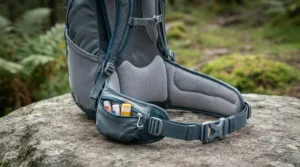
Getting the most out of a new hydration pack starts before your first outing. Rinse a new reservoir with warm water and a small amount of mild washing-up liquid before first use to clear any manufacturing residue, then let it air-dry fully with the cap open. When fitting the pack, adjust shoulder straps first, then the sternum strap, and finally any hip or waist belt — tightened in that order, the pack sits closer to your back and carries weight more comfortably than adjusting randomly. A common first-use mistake is overfilling the reservoir before checking it fits properly in the sleeve; slightly underfilling on your first outing lets you confirm the fit before committing to a full 2.5 or 3-litre load. After each outing, empty any remaining water immediately — a reservoir left full overnight is where bacterial growth starts, even with an antimicrobial treatment doing its best to slow things down. Once a week during regular use, a proper clean with a reservoir cleaning tablet or a diluted vinegar solution, followed by thorough air-drying with the bag propped open, keeps both the bladder and hose genuinely fresh rather than just visually clean. Storing the reservoir in the freezer between uses is a trick several long-term reviewers swear by, since it stops any residual moisture from turning musty between trips.
Real-World Scenarios: Matching a Pack to Your Adventure
If you’re a weekend hiker tackling the Peak District or the South Downs with a packed lunch and a spare layer, the Osprey Skarab 18 is the sensible choice — its 18-litre capacity and easy-hang reservoir cover a full day out without excess bulk. A mountain biker doing weekly laps of local trails needs something that won’t bounce or snag on branches, which is exactly where the Osprey Katari 7 / Kitsuma 7 and its magnetic sternum bite valve earn their keep. Festival-goers heading to a multi-day camping event with friends are better served by the CamelBak M.U.L.E. Pro 14, since its 3-litre capacity and antimicrobial reservoir cope with long, hot days between refill queues, while a single-day raver wanting something light and low-profile for dancing should look at the CamelBak Rogue Light 7 instead. Families planning a first proper bike ride with young children get the most reliable, well-fitted option in either the Osprey Moki 3 or CamelBak Mini M.U.L.E., both purpose-built rather than adult packs shrunk down as an afterthought. Frequent flyers who want a single daypack for both a city break and a festival weekend should consider the Osprey Daylite Plus 20L, particularly if they already own compatible Osprey travel luggage.
How to Choose an Osprey Hydration Pack
What is an Osprey hydration pack? It’s a backpack built around a dedicated internal sleeve for a water reservoir, typically Osprey’s own Hydraulics-branded bladder, designed to let hikers, cyclists and festival-goers drink hands-free through a hose and bite valve rather than stopping to dig out a bottle.
Working out which one suits you comes down to a handful of practical questions:
- Match reservoir size to your activity length. A 1.5L reservoir suits short outings or kids, while 2.5-3L covers a full day of hiking or festival use without a refill.
- Check the back panel design. Ventilated, ridged airmesh panels like Osprey’s AirScape stay cooler on long climbs, while flatter panels sit more stable during technical riding.
- Consider what else you’re carrying. Minimal packs like the Katari/Kitsuma suit water-only rides; larger daypacks like the Skarab or Daylite Plus suit anyone needing layers, snacks or tech.
- Decide between men’s, women’s, and kids’ fits. Osprey’s body-specific sizing genuinely changes comfort — a women’s-specific Kitsuma fits narrower, shorter torsos better than a unisex pack sized down.
- Factor in reservoir hygiene features. If you’re using the pack daily, an antimicrobial-treated reservoir like CamelBak’s HydroGuard reduces the cleaning burden between washes.
- Check hose and bite valve security. A magnetic clip system keeps the tube from flapping loose, which matters more than it sounds once you’re moving fast.
- Weigh price against included extras. Some packs, like the Daylite Plus, are cheaper because the reservoir is sold separately — factor that into your real total cost.
Hydration Packs vs Water Bottles: Quick Comparison
| Hydration Pack | Standard Water Bottle | |
|---|---|---|
| Hands-free drinking | Yes | No |
| Typical capacity | 1.5-3L | 0.5-1L |
| Weight distribution | Spread across back | Held or clipped separately |
| Best For | Long hikes, rides, festivals | Short walks, gym, commuting |
The table makes the trade-off fairly obvious: a hydration pack carries more water and lets you drink without breaking stride, but it’s a bigger investment and needs proper cleaning to stay hygienic, whereas a bottle is cheaper and simpler but demands a free hand every time you’re thirsty. For anything longer than a couple of hours outdoors, especially in UK summer heat, the hands-free convenience of a pack tends to win out on genuine usage patterns reported by reviewers.
Camelbak Hydration Pack Review: How It Compares to Osprey
Choosing between Osprey and Camelbak often comes down to reservoir philosophy rather than overall build quality, since both brands are genuinely well-regarded across independent testing. Osprey’s Hydraulics reservoirs are designed around ease of hanging and filling within the pack, with a straightforward wide-mouth opening that’s simple to clean by hand. CamelBak’s Crux reservoirs, by contrast, are engineered for flow rate — the brand’s claimed 20% more water per sip is a genuine, testable difference in how quickly water reaches your mouth, and it’s paired with the HydroGuard antimicrobial treatment that Osprey’s reservoirs don’t currently match feature-for-feature. On pack design, Osprey generally edges ahead on back-panel ventilation across its hiking-focused range, while CamelBak’s Magnetic Tube Trap system is a more refined hose-management solution than Osprey’s magnetic sternum strap clip, according to aggregated user feedback comparing both directly. Based on the spec comparison across this guide’s seven products, neither brand is a clear universal winner — Osprey tends to suit hikers prioritising comfort and ventilation, while CamelBak tends to suit anyone who values reservoir hygiene and refill convenience enough to justify the slightly higher price tag on comparable models like the CamelBak M.U.L.E. Pro 14 versus the Osprey Skarab 18.
Best Hydration Pack for Festivals
Festival hydration has its own particular demands: long queues in direct sun, crowded refill points, and hours on your feet without a proper sit-down. Based on aggregated reviewer feedback specifically from festival use, lightweight capacity in the 2-7 litre range tends to outperform larger hiking packs, since you’re rarely carrying overnight gear during the day and a bulky pack just gets in the way in a crowd. The Cancer Research UK guidance on UV exposure is worth bearing in mind here too — UK festival season runs straight through the strongest sun months, and staying properly hydrated is one of the more overlooked parts of managing heat exposure over a long day outdoors. The CamelBak Rogue Light 7 is the strongest dedicated pick for single-day events thanks to its low weight and breathable panel, while multi-day campers carrying more kit should lean toward the higher-capacity CamelBak M.U.L.E. Pro 14 or the Osprey Daylite Plus 20L if flexible storage matters more than pure hydration volume. Whichever you choose, reflective detailing and a secure hose clip are worth prioritising for the walk back to the campsite after dark.
Best Hydration Pack for Kids & Kid-Sized Torso Fit
Fitting a child properly into a hydration pack is less about age and more about torso length — the measurement from the base of the neck to the waist, not overall height. Both the Osprey Moki 3 and CamelBak Mini M.U.L.E. are built around a genuine kid-sized torso fit rather than a scaled-down adult pack, and independent testing from family outdoor reviewers rates them near-identically for length and comfort, both suiting torsos in roughly the 12-16 inch range. The RoSPA leisure safety guidance on outdoor activities is a useful general reference for parents thinking through kit for family cycling and hiking trips, even though it doesn’t speak to hydration packs specifically. What actually differentiates the two kids’ packs in this guide comes down to small details: the Moki’s chest strap adjusts higher and tighter for genuinely narrow builds, while the Mini M.U.L.E.’s antimicrobial reservoir treatment reduces how often parents need to worry about bacterial buildup if a child forgets to empty it after a ride. Both packs deliberately strip out adult features like waist belts and magnetic tube traps to stay lightweight, which is the right trade-off for young riders who don’t need the extra bulk.
Magnetic Tube Clip Systems Explained
A magnetic tube clip system solves a genuinely small but consistently annoying problem: keeping the drinking hose within reach without it flapping loose, snagging on branches, or swinging into your face on a descent. CamelBak’s Magnetic Tube Trap integrates directly with the sternum strap buckle, so the hose clicks into place automatically as you fasten the chest strap — reviewers consistently rate this as the more refined of the two systems compared in this guide. Osprey’s magnetic sternum strap bite valve attachment achieves a similar result but sits on the opposite side of the strap in most models, meaning the hose needs manually connecting rather than clipping in as part of fastening the strap itself — a detail that matters particularly for younger kids using the Osprey Moki 3, where the manual step can be fiddly for children under six. What most buyers overlook is that magnet strength varies noticeably between models; some reviewers of budget hydration packs report the magnets are too weak to hold the tube securely during vigorous movement, which rather defeats the purpose. On the products in this guide, both brands’ systems perform reliably during normal hiking and cycling use, with the main practical difference being how intuitively the hose clips in without looking down.
Anti-Microbial Reservoirs: What They Actually Do
An anti-microbial reservoir, like CamelBak’s HydroGuard treatment used across the CamelBak M.U.L.E. Pro 14, CamelBak Rogue Light 7 and CamelBak Mini M.U.L.E., is a coating applied to the internal surfaces of the bladder and tube designed to inhibit the growth of bacteria and mould that naturally develop in warm, damp, dark spaces — which, unfortunately, is exactly what a hydration reservoir is between uses. On the spec sheet, this doesn’t mean the reservoir never needs cleaning; it means bacterial growth is measurably slowed compared to an untreated bladder left damp for a few days, buying genuine peace of mind rather than eliminating maintenance altogether. Here’s what to weigh: Osprey’s Hydraulics reservoirs don’t currently ship with an equivalent branded antimicrobial treatment, so if hygiene between washes is your top priority — say, for a child’s pack that inevitably gets left half-full in a school bag — CamelBak’s HydroGuard-treated options have a genuine edge. That said, no antimicrobial treatment replaces regular cleaning; reviewers consistently note that reservoirs left unwashed for weeks develop odour and residue regardless of any built-in treatment, so the weekly clean covered in the usage guide above remains essential either way.
Long-Term Cost & Maintenance
A hydration pack’s real cost extends beyond the sticker price once you factor in reservoir replacement, cleaning supplies, and eventual hose or bite valve wear. Reservoirs typically need replacing every one to three years with regular use, even with careful cleaning, since the internal lining can degrade and develop a persistent taste over time — budget roughly £15-£25 for a replacement Hydraulics or Crux reservoir when that happens. Cleaning tablets or brush kits designed specifically for hydration reservoirs cost relatively little but genuinely extend a bladder’s usable life, and skipping them in favour of just rinsing with tap water is a common way owners end up replacing reservoirs sooner than necessary. Comparing the packs in this guide, the higher upfront cost of a CamelBak M.U.L.E. Pro 14 partly reflects the HydroGuard-treated reservoir, which may reduce how often you need replacement cleaning products, narrowing the real-world cost gap versus a cheaper Osprey pack over several years of ownership. For kids’ packs specifically, budgeting for a reservoir replacement roughly annually is realistic, since children are considerably less likely to remember to empty and dry a bladder after every single use than adults tend to be.
Frequently Asked Questions
❓ How often should I clean my hydration pack reservoir?
❓ Is an Osprey or Camelbak hydration pack better?
❓ What size hydration pack is best for festivals?
❓ How do I measure my child's torso for a kids' hydration pack?
❓ Do magnetic tube clips actually work well?
Conclusion
Picking the right Osprey hydration pack — or a genuine Camelbak alternative — really comes down to matching the pack to what you’re actually doing with it, rather than defaulting to whichever brand you’ve heard of most. Hikers wanting an all-round daypack should look first at the Osprey Skarab 18, while mountain bikers will get on better with the low-profile Osprey Katari 7 / Kitsuma 7. Anyone comparing brands seriously should weigh the CamelBak M.U.L.E. Pro 14‘s HydroGuard-treated reservoir and Magnetic Tube Trap against Osprey’s ventilation advantage before deciding. Festival-goers have genuinely good options in the CamelBak Rogue Light 7 and Osprey Daylite Plus 20L, and parents kitting out young riders can trust either the Osprey Moki 3 or CamelBak Mini M.U.L.E. to fit properly rather than hang awkwardly off small shoulders. Whichever you land on, the underlying goal is the same: water within reach, hands free, and one less thing to think about on your next trip out.
Recommended for You
- Best Hydration Pack UK 2026: 7 Top Picks Tested amp; Compared
- 10 Litre Water Carrier UK: 7 Best Picks Tested for 2026
- 7 Best Water Carrier For Camping in 2026
Disclaimer: This article contains affiliate links. As an Amazon Associate, I earn from qualifying purchases. If you purchase products through these links, we may earn a small commission at no additional cost to you.
✨ Found this helpful? Share it with your friends! 💬🤗
