
In This Article
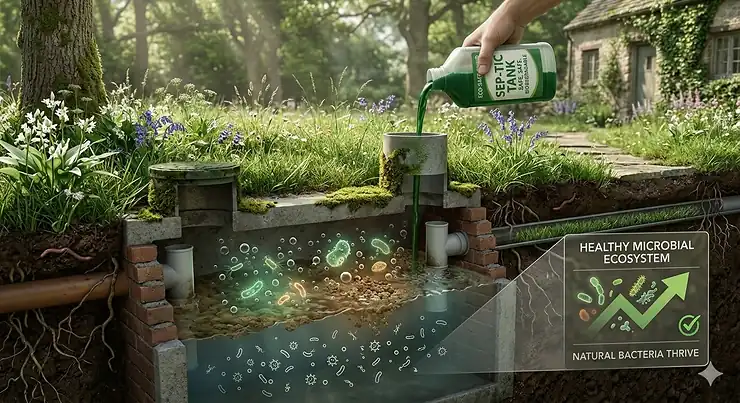
Picture this: you’re emptying your caravan toilet at a gorgeous campsite nestled in the Peak District, only to discover the disposal point has a massive sign reading “Septic Tank – No Blue Chemicals!” You’re left wondering whether your trusty toilet fluid is about to kill off the very bacteria keeping that site operational.
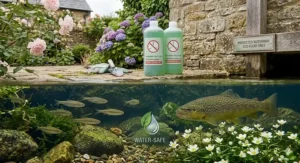
This scenario plays out countless times across the UK, particularly at nature reserves, off-grid campsites, and ecologically sensitive locations. The shift towards eco-friendly toilet chemicals for sensitive sites isn’t just a passing trend; it’s becoming an absolute necessity. Traditional formaldehyde-based chemicals, whilst effective at masking odours, wreak havoc on natural waste treatment systems and can contaminate groundwater supplies.
According to the UK Environment Agency, proper management of chemical toilet waste is crucial to prevent environmental pollution. Many campsites, particularly those with septic systems, now mandate the use of biodegradable, formaldehyde-free products. The transition makes perfect sense: septic tanks rely on beneficial bacteria to break down waste naturally. Pour in formaldehyde-laden chemicals, and you’ve essentially murdered the workforce.
But here’s the rub: not all “green” toilet chemicals are created equal. Some barely control odours for two days whilst others perform brilliantly for nearly a week. In this comprehensive guide, I’ll walk you through the seven best eco-friendly toilet chemicals available on Amazon.co.uk right now, helping you make an informed choice that’s kind to both your nose and the environment.
Quick Comparison Table: Top Eco-Friendly Toilet Chemicals
| Product | Type | Price | Septic Safe | Treatments | Best For |
|---|---|---|---|---|---|
| Elsan Organic 2L | Liquid | £10.99-£12.83 | ✅ Yes | 30-35 | All-round performance |
| Pro-Kleen Green 2L | Liquid | £11.99-£14.99 | ✅ Yes | 25-30 | Budget-conscious buyers |
| Thetford Aqua Kem Green 750ml | Concentrated | £16.99-£22.32 | ✅ Yes | 10-12 | Premium effectiveness |
| Liquipak 2-in-1 1L | Dual-purpose | £8.99-£11.50 | ✅ Yes | 20-25 | Space savers |
| No-Rinse Blue Eco 5L | Bulk liquid | £18.99-£24.99 | ✅ Yes | 45-50 | High-volume users |
| YOKUU Probiotic Tablets | Tablet | £12.99-£15.99 | ✅ Yes | 30 uses | Home toilets |
| Eco Gel Powder 4-Pack | Powder | £14.99-£19.99 | ✅ Yes | 16 uses | Emergency situations |
💬 Just one click – help others make better buying decisions too! 😊
✨ Don’t Miss These Exclusive Deals!
🔍 Take your caravan maintenance to the next level with these carefully selected products. Click on any highlighted item to check current pricing and availability on Amazon.co.uk. These tools will help you create authentic eco-friendly waste management your family will appreciate!
Top 7 Eco-Friendly Toilet Chemicals for Sensitive Sites: Expert Analysis
1. Elsan Organic Toilet Fluid – The Gold Standard
If there’s one product that’s revolutionised green toilet care in the UK, it’s Elsan Organic. This 2-litre bottle works completely differently to conventional fluids, dissolving waste naturally without that aggressive chemical whiff that makes your eyes water.
Key Specifications:
- Volume: 2 litres
- Formulation: Organic, formaldehyde-free
- Usage: 60ml per 10L waste tank, 30ml per 10L flush tank
Price Range: £10.99-£12.83
UK buyers consistently praise this product for eliminating the harsh chemical smell whilst maintaining excellent waste breakdown. One Amazon reviewer noted: “Works brilliantly in our motorhome. The mild fragrance is actually pleasant rather than overpowering, and it’s safe for septic tanks at French campsites.”
Pros:
✅ Eliminates harsh chemical odours
✅ Suitable for all cassette toilets
✅ Septic tank safe
Cons:
❌ Slightly pricier than traditional blue fluids
❌ May require more frequent emptying in hot weather
2. Pro-Kleen Organic Caravan Toilet Chemical – Best Value Pick
Pro-Kleen Green Solution punches well above its weight for a mid-range product. This 2-litre bottle uses new green technology to target foul odours whilst remaining completely biodegradable. The real advantage? It’s a proper 2-in-1 formula, working in both flush and waste tanks.
Key Specifications:
- Volume: 2 litres
- Type: 2-in-1 biodegradable formula
- Concentration: Medium
Price Range: £11.99-£14.99
The formula reduces gas build-up effectively, which matters enormously when you’re touring in warmer months. British caravanners appreciate that it doesn’t have that overpowering “toilet cleaner” smell that screams “chemical loo” to everyone within a 3-metre radius.
Pros:
✅ Excellent value for money
✅ Works in both tanks
✅ Free from harsh chemicals
Cons:
❌ Not as concentrated as premium options
❌ Fragrance could be stronger for some users
3. Thetford Aqua Kem Green Concentrated – Premium Performance
When you need the absolute best performance from an eco-friendly product, Thetford Aqua Kem Green delivers. This 750ml concentrated bottle replaces the old 1.5L format, offering double the concentration in half the space. Thetford, established in 1971, remains the world market leader in mobile sanitary systems.
Key Specifications:
- Volume: 750ml (equivalent to 1.5L when diluted)
- Concentration: 2x concentrated
- Biological action: Enhanced formula
Price Range: £16.99-£22.32
The concentrated nature means you’re using 150ml per 20L tank capacity. One dose genuinely lasts up to 4 days, even in regular use. It’s been tested to ISO 11734 standards for septic tank safety, which provides proper scientific backing rather than just marketing claims.
Pros:
✅ Outstanding odour control
✅ Highly concentrated formula
✅ Scientifically tested septic safe
Cons:
❌ Higher upfront cost
❌ Some users report mixed results with sachets version
4. Liquipak 2-in-1 Blue & Pink – The Space Saver
For those blessed with limited storage in their caravan or motorhome, Liquipak’s dual-purpose formula solves a genuine problem. The 1L bottle works in both waste and flush tanks, manufactured right here in the UK.
Key Specifications:
- Volume: 1 litre each (Blue & Pink combo)
- Formulation: Formaldehyde-free
- Usage: 200ml Blue + 800ml water
Price Range: £8.99-£11.50
The blue formula rapidly breaks down waste whilst the pink variant delivers pleasant fragrance to the flush tank. Both are biodegradable, making them suitable for sites with septic systems. UK customers particularly value the British manufacturing aspect and responsive customer service.
Pros:
✅ Space-efficient packaging
✅ UK manufactured product
✅ Powerful waste breakdown
Cons:
❌ Requires both products for full system care
❌ Smaller volume means more frequent purchases
5. No-Rinse Blue Caravan Toilet Fluid – Best for High-Volume Users
If you’re running a touring business or simply use your chemical toilet extensively, the No-Rinse Blue 5L bulk pack offers exceptional value. Despite the “blue” nomenclature, this formulation is completely biodegradable and formaldehyde-free.
Key Specifications:
- Volume: 2 x 5 litres (10L total)
- Treatments: Up to 50 applications
- Type: No-rinse formula
Price Range: £18.99-£24.99
The no-rinse application saves considerable time during those less-than-pleasant emptying sessions. One UK reviewer mentioned: “Brilliant value for our family motorhome trips. The odour control works well, though I do find it needs topping up every 3-4 days rather than the claimed 5 days.”
Pros:
✅ Outstanding value per litre
✅ Bulk packaging reduces plastic waste
✅ Effective odour neutralisation
Cons:
❌ Heavy bottles for storage
❌ Performance varies in extreme heat
6. YOKUU Eco-Friendly Toilet Tablets – Revolutionary Probiotic Approach
Here’s something genuinely different: YOKUU tablets use probiotic bacteria rather than chemicals to maintain toilet freshness. Designed primarily for standard home toilets, they represent an innovative approach to eco-friendly sanitation.
Key Specifications:
- Quantity: 30 tablets per bag
- Active ingredients: Probiotic bacteria, plant-based
- Scent: Eucalyptus & Mint
Price Range: £12.99-£15.99
Simply dissolve a tablet in your toilet bowl, let it work its magic, give a quick scrub, and flush. The probiotic approach means you’re introducing beneficial bacteria rather than killing everything with harsh chemicals. According to research on biodegradable toilet treatments, probiotic formulations represent the future of sustainable sanitation.
Pros:
✅ Innovative probiotic technology
✅ Plant-based ingredients
✅ Lovely natural fragrance
Cons:
❌ Primarily for home toilets, not ideal for cassettes
❌ Higher cost per use
7. Eco Gel Port-A-Potty Powder – Emergency Waste Management
Whilst not strictly a traditional toilet chemical, Eco Gel powder deserves mention for emergency situations. This gelling powder solidifies liquid waste, making it ideal for disaster preparedness, school lockdowns, or camping scenarios.
Key Specifications:
- Pack size: 4 sachets per pack
- Form: Powder that gels on contact
- Application: Emergency and portable toilets
Price Range: £14.99-£19.99
The eco-friendly formulation deodorises whilst gelling, creating a less unpleasant disposal experience. UK preppers and wild campers particularly value having this tucked away for those “just in case” moments when conventional facilities aren’t available.
Pros:
✅ Excellent for emergency preparedness
✅ Environmentally friendly formula
✅ Removes odours effectively
Cons:
❌ Not suitable for regular caravan toilet use
❌ Limited to 4 uses per pack
Understanding Eco-Friendly Toilet Chemicals: What Makes Them Different?
The fundamental distinction between traditional and eco-friendly toilet chemicals lies in their active ingredients and environmental impact. Traditional “blue” chemicals typically contained formaldehyde, a toxic biocide also used for embalming. Whilst formaldehyde excelled at waste breakdown and odour control, it simultaneously decimated the beneficial bacteria essential for septic tank function.
Eco-friendly alternatives employ biological action rather than chemical warfare. They introduce enzymes and beneficial bacteria that naturally break down organic waste whilst controlling odours through plant-based compounds rather than toxic masking agents. The UK Health and Safety Executive recognises that chemical toilets must be properly maintained with appropriate products to ensure worker safety and environmental protection.
Modern formulations often use citric acid, eucalyptus oil, or sodium percarbonate as active ingredients. These compounds effectively manage waste whilst remaining completely biodegradable. When disposed of correctly, they don’t compromise septic systems or contaminate groundwater supplies.
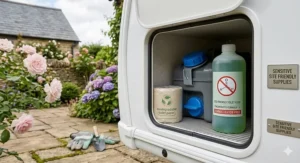
Blue vs Green: Understanding the Chemical Colour Code
Traditional Blue Chemicals
These dominated the market for decades, offering powerful waste breakdown and odour suppression. However, most blue formulations historically contained formaldehyde, leading to bans at many European campsites with septic systems. Newer “blue” products have moved to formaldehyde-free formulations, though terminology remains confusing.
Green/Organic Chemicals
Specifically formulated for environmental sensitivity, green chemicals use biological processes for waste management. They’re designed to be septic-safe and biodegradable, though early versions struggled with odour control compared to blue variants. Modern green formulations have largely closed this performance gap.
Pink Rinse Fluids
Used in flush tanks rather than waste tanks, pink fluids clean and deodorise the bowl whilst leaving a protective coating. Eco-friendly versions use plant-based surfactants rather than harsh detergents.
Comparison Table: Benefits vs Traditional Alternatives
| Feature | Eco-Friendly Chemicals | Traditional Blue Chemicals |
|---|---|---|
| Septic Tank Safe | ✅ Yes | ❌ Often damages septic systems |
| Formaldehyde Content | ✅ None | ⚠️ Historically present (banned in many) |
| Biodegradability | ✅ Fully biodegradable | ❌ Limited degradation |
| Odour Control | ⚠️ Good (improving) | ✅ Excellent |
| Campsite Acceptance | ✅ Accepted everywhere | ❌ Banned at many European sites |
| Environmental Impact | ✅ Minimal | ❌ Significant groundwater concerns |
| Price Premium | ⚠️ 10-20% higher | ✅ Generally cheaper |
How to Choose the Right Eco-Friendly Toilet Chemical
Selecting the optimal product depends on several critical factors beyond just grabbing the cheapest bottle. Consider your specific usage scenario, climate conditions, and disposal facilities available.
Factor 1: Tank Capacity and Usage Frequency
Larger waste tanks benefit from concentrated formulas, reducing the volume of chemical you need to carry. A family motorhome with daily use requires more robust formulations than a solo camper using facilities every few days.
Factor 2: Climate Considerations
Hot summer touring demands more frequent tank treatment. Heat accelerates bacterial growth and gas production, overwhelming weaker formulations within 2-3 days. Winter camping allows longer intervals between treatments, though you’ll want to ensure the product doesn’t separate or become ineffective in cold temperatures.
Factor 3: Disposal Facilities
If you primarily stay at commercial campsites with dedicated chemical toilet disposal points (CDPs), you have more flexibility. Off-grid touring or sites with septic systems absolutely require biodegradable formulations. The Environment Agency regulations stipulate proper waste management to prevent environmental damage.
Factor 4: 2-in-1 vs Separate Solutions
Space-constrained caravanners appreciate 2-in-1 formulations working in both flush and waste tanks. However, dedicated products often perform better in their specific roles. If you have storage space, separate waste and rinse chemicals typically deliver superior results.
Factor 5: Concentration Levels
Concentrated products seem expensive initially but offer better value per treatment. A 750ml concentrated bottle often provides equivalent treatments to a 2L standard formula whilst occupying half the storage space.
Price Range & Value Analysis: What You’re Really Paying For
| Price Tier | Typical Cost | Expected Performance | Best For |
|---|---|---|---|
| Budget (£8-£12) | 1-2 litres | Basic odour control, 3-4 day effectiveness | Light users, short trips |
| Mid-Range (£12-£18) | 2 litres standard | Good all-round performance, 4-5 day effectiveness | Regular touring, family use |
| Premium (£18-£25) | Concentrated or bulk | Outstanding control, 5+ day effectiveness | Frequent users, hot climates |
The sweet spot for most UK caravanners sits in the mid-range bracket, offering reliable performance without premium pricing. Budget options work acceptably for weekend trips, whilst premium concentrated formulas justify their cost for extended touring or hot-weather destinations.
✨ Ready to Make the Switch?
🌱 Transform your mobile sanitation experience with these eco-conscious choices. Each highlighted product represents thoroughly researched options available on Amazon.co.uk with reliable UK delivery. Your purchase supports both environmental sustainability and hassle-free touring!

Environmental Impact: Why Your Choice Matters
The cumulative environmental impact of chemical toilet usage across the UK is substantial. With approximately 565,000 touring caravans and motorhomes registered, plus countless portable toilets at events and construction sites, the volume of chemicals entering waste treatment systems is enormous.
Traditional formaldehyde-based chemicals persist in the environment, contaminating groundwater and disrupting aquatic ecosystems. According to waste management research, even small concentrations of formaldehyde can harm fish reproduction and aquatic plant growth.
Biodegradable alternatives break down naturally through microbial action, typically within 28 days under standard conditions. This dramatically reduces their environmental footprint whilst maintaining effective waste management. The shift to eco-friendly formulations isn’t simply about regulatory compliance; it’s about preserving the very environments we enjoy when touring.
Many UK campsites now actively promote eco-friendly chemical usage, with some offering discounts or priority pitches for caravanners using certified green products. The Camping and Caravanning Club increasingly emphasises sustainable touring practices, recognising that environmental stewardship ensures site viability for future generations.
Usage Instructions: Getting the Best Results
Proper application significantly impacts performance, yet many users simply pour in chemicals without optimising their approach.
Step 1: Start with a Clean Tank
Before adding new chemicals, thoroughly rinse your waste tank. Residual old chemicals can interfere with new formulations, particularly when switching from blue to green products.
Step 2: Pre-Charge with Water
Add 2-3 litres of clean water to the waste tank before introducing chemicals. This creates a liquid base that helps distribute the treatment evenly and provides immediate dilution for incoming waste.
Step 3: Measure Accurately
More isn’t better with toilet chemicals. Follow manufacturer guidelines precisely. A 20-litre waste tank typically requires 60-150ml depending on concentration. Overuse wastes product and money without improving performance.
Step 4: Maintain Regular Emptying
Don’t push chemicals beyond their designed capacity. If a product claims 4-day effectiveness, empty on day 3 or 4 rather than waiting until odours become problematic. Regular emptying maintains performance and prevents unpleasant surprises.
Step 5: Store Chemicals Properly
Keep toilet chemicals in cool, dry conditions away from direct sunlight. Temperature extremes can affect formulation stability, reducing effectiveness. Check expiry dates regularly, particularly for probiotic formulations with living bacteria.
Winter Usage: Special Considerations for Cold Weather
UK winter touring presents unique challenges for toilet chemical performance. Biological formulations rely on bacterial activity, which slows dramatically in cold temperatures. Some products become sluggish or separate when exposed to freezing conditions.
For winter use, consider these strategies:
- Store chemicals inside the heated living space rather than exterior lockers
- Choose formulations specifically marketed for all-season use
- Increase treatment frequency slightly as bacterial action slows in cold tanks
- Pre-warm chemicals to room temperature before adding to tanks
- Consider powder formulations which handle temperature variations better than liquids

FAQ: Your Eco-Friendly Toilet Chemical Questions Answered
❓ Are eco-friendly toilet chemicals genuinely as effective as traditional blue chemicals?
❓ Can I use eco-friendly toilet chemicals in all types of portable toilets?
❓ How long does one treatment of eco-friendly chemical typically last?
❓ What's the difference between toilet fluid and toilet powder formulations?
❓ Are 2-in-1 formulations as effective as separate waste and rinse products?
Conclusion: Making the Switch to Sustainable Sanitation
Transitioning to eco-friendly toilet chemicals for sensitive sites represents more than environmental virtue signalling; it’s about practical, responsible touring that ensures campsite access for years to come. The performance gap between traditional and green formulations has essentially disappeared, whilst environmental benefits remain substantial.
Whether you choose the reliable Elsan Organic, value-focused Pro-Kleen, or premium Thetford Aqua Kem Green, you’re making a choice that protects both septic systems and natural watercourses. The modest price premium (typically 10-20%) pales against the broader benefits: universal campsite acceptance, reduced environmental impact, and elimination of harsh chemical odours.
As UK touring continues growing in popularity, sustainable practices become increasingly critical. Chemical toilet waste management might seem a minor consideration, but multiply your choices across hundreds of thousands of caravanners, and the cumulative impact becomes significant. Make it a positive one.
Start your next touring season with eco-friendly chemicals. Your nose, your fellow campers, and the environment will thank you.
Recommended for You
- 7 Best Thetford Cassette Toilet Seal Replacement Options UK 2026
- 7 Best Porta Potti for Small Campervans UK 2026
- 7 Best Roof Vent Fan with Rain Sensor for Caravans UK 2026
Disclaimer: This article contains affiliate links. If you purchase products through these links, we may earn a small commission at no additional cost to you. Prices shown are approximate and may vary.
✨ Found this helpful? Share it with your mates! 💬🤗
