
In This Article
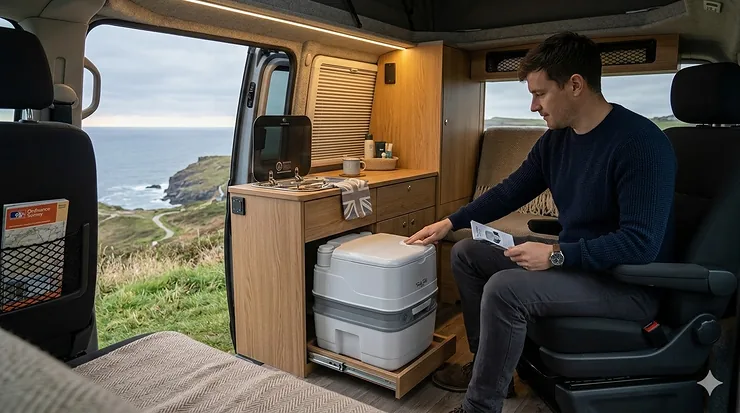
Picture this: it’s 2am, rain’s hammering against your VW California, and nature calls. The campsite facilities are 200 metres away through a muddy field. Sound familiar? If you’ve ever experienced the midnight trudge to a campsite toilet block, you’ll understand why a porta potti for small campervans has become an absolute game-changer for UK adventurers.
The British camping landscape has evolved dramatically since 2020, with more people converting vans and exploring wild camping spots across Scotland, Wales, and England. According to the Camping and Caravanning Club, proper toilet facilities are essential for responsible camping, yet many small campervan owners hesitate to install permanent cassette toilets due to space constraints. That’s precisely where portable toilets shine.
Whether you’re planning overnight wild camping trips to the Scottish Highlands, weekend getaways in the Lake District, or simply want the freedom to pull over during long journeys, a compact portable toilet for VW campervan conversions provides comfort, convenience, and peace of mind. In this comprehensive guide, I’ll walk you through the seven best porta potti models available in the UK market in 2026, complete with real prices, specifications, and honest customer feedback. You’ll also discover essential buying tips, UK disposal regulations, and practical advice to help you choose the perfect portable toilet for your campervan adventures.
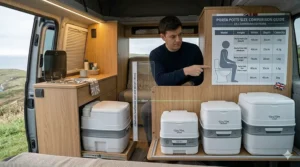
Quick Comparison Table: Top Porta Potti Models at a Glance
| Model | Capacity (Waste/Flush) | Dimensions (H×W×D) | Weight | Price Range | Best For |
|---|---|---|---|---|---|
| Thetford Porta Potti 335 | 10L / 10L | 313×342×382mm | 3.3kg | £87-£106 | Smallest vans (VW T5/T6) |
| Thetford Porta Potti 365 | 21L / 15L | 414×383×427mm | 4.4kg | £95-£125 | Weekend camping |
| Dometic 972 | 9.8L / 8.7L | 317×333×387mm | 3.5kg | £99-£115 | Budget-conscious buyers |
| Thetford Porta Potti 165 | 21L / 15L | 383×345×427mm | 4.2kg | £75-£95 | Families |
| Dometic 976 | 18.9L / — | 387×333×387mm | 5.9kg | £145-£170 | Long trips |
| Kampa Khazi | 20L / 12L | 440×360×375mm | 4.8kg | £65-£85 | Emergency use |
| Blue Diamond Eco | 7.5L / N/A | 400×350×370mm | 4.5kg | £110-£135 | Eco-conscious campers |
💬 Just one click – help others make better buying decisions too! 😊
Top 7 Porta Potti for Small Campervans: Expert Analysis
1. Thetford Porta Potti Qube 335 – The Space-Saver Champion
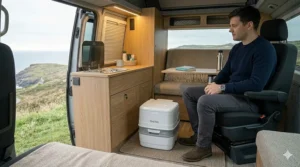
The Thetford Porta Potti 335 holds a special place in the hearts of small campervan owners, and for good reason. This is the smallest portable toilet in the entire Thetford range, making it the go-to choice for VW T5, T6, Mercedes Marco Polo, and other compact conversions where every centimetre counts.
Key Specifications:
- Waste tank capacity: 10 litres
- Flush water tank: 10 litres
- Manual piston pump flush
- Integrated level indicator (select models)
UK Price Range: £87-£106
What UK Buyers Say: British customers particularly appreciate that “the 335 is the only one that will fit in the space available” in tight cupboards, with many reporting it slides perfectly into underseat storage in VW Transporters. The compact dimensions mean couples can easily manage 2-3 days between empties for liquid waste only, or overnight use for mixed waste.
Pros:
✅ Smallest footprint on the market – perfect for cupboard storage
✅ Lightweight at just 3.3kg when empty
✅ Piston pump provides reliable, powerful flush
Cons:
❌ 10L capacity means more frequent emptying for families
❌ Lower seating height (308mm) may feel cramped for taller users
Best For: Solo travellers, couples with small VW conversions, occasional wild camping, and anyone prioritising minimal storage space.
2. Thetford Porta Potti 365 – The Family Favourite
Step up from the 335, and you’ll find the Thetford Porta Potti 365 – a model that perfectly balances capacity with portability. This is the sweet spot for many UK families who need something more substantial than the 335 but don’t want the bulk of a permanent cassette toilet.
Key Specifications:
- Waste tank capacity: 21 litres
- Flush water tank: 15 litres
- Manual piston pump with level indicator
- Articulated pour-out spout
UK Price Range: £95-£125
What UK Buyers Say: Customer feedback highlights that it “fits well in camper vans and cupboards” whilst providing sufficient capacity for weekend trips. The level indicator proves particularly valuable, giving advance warning before tanks need emptying.
Pros:
✅ Double the capacity of the 335 model
✅ Vent button reduces splash during emptying
✅ Cover lock prevents spills during transport
Cons:
❌ Larger dimensions may not fit smallest cupboards
❌ Heavier when full (approximately 25kg total weight)
Best For: Families with children, weekend warriors, extended camping trips, and medium-sized campervans with dedicated storage space.
3. Dometic 972 Portable Toilet – The Budget Winner
British buyers seeking excellent value without compromising quality should look no further than the Dometic 972. This portable toilet features “push-button technology” for easy flushing and represents Dometic’s entry into the compact campervan market.
Key Specifications:
- Waste tank capacity: 9.8 litres (2.6 gallons)
- Compact space-saving design
- Push-button pressurised flush
- Scratch-resistant matte finish
UK Price Range: £99-£115
What UK Buyers Say: The Dometic 972’s high-density polyethylene construction receives praise for durability, with users noting it withstands the rigours of van life exceptionally well. The push-button flush uses less water per flush compared to manual pumps, extending time between refills.
Pros:
✅ Excellent build quality at competitive price point
✅ Push-button flush requires less effort
✅ Durable, scratch-resistant finish stays looking new
Cons:
❌ Smaller 9.8L capacity requires frequent emptying
❌ Push-button mechanism may need pressurising every 4-5 flushes
Best For: Budget-conscious buyers, solo travellers, short trips, and those who prioritise robust construction over maximum capacity.
4. Thetford Porta Potti 165 – The Workhorse
The Thetford Porta Potti 165 represents Thetford’s mid-range offering, utilising a bellows pump rather than the piston pump found in higher-end models. Don’t let that fool you – this toilet has earned its reputation as a reliable workhorse across UK campsites.
Key Specifications:
- Waste tank capacity: 21 litres
- Flush water tank: 15 litres
- Bellows manual flush system
- Articulated waste pouring spout
UK Price Range: £75-£95
What UK Buyers Say: Customers describe it as “well made” with a maximum user weight of 28.5 stone (181kg), making it suitable for virtually all adults. The bellows pump, whilst requiring slightly more pumping than piston models, provides adequate flushing power for most situations.
Pros:
✅ Most affordable 21L capacity option
✅ Proven reliability over many years
✅ Excellent maximum weight capacity
Cons:
❌ Bellows pump less efficient than piston models
❌ No level indicator on standard model
Best For: Budget-minded families, first-time buyers, infrequent campers, and anyone wanting proven reliability without premium features.
5. Dometic 976 Portable Toilet – The Long-Haul Option
For extended trips across the UK or European adventures, the Dometic 976 offers impressive 18.9-litre waste capacity in a surprisingly compact package. This model suits those who value fewer emptying trips over absolute minimum dimensions.
Key Specifications:
- Waste tank capacity: 18.9 litres (5 gallons)
- Push-button pressurised flush
- Prismatic tank level indicator
- Full-size adult seat
UK Price Range: £145-£170
What UK Buyers Say: The 976’s generous capacity means users report going 4-5 days between empties for couples using it primarily for liquid waste overnight. The clear level indicator proves invaluable for planning disposal stops during longer journeys.
Pros:
✅ Large capacity reduces emptying frequency
✅ Clear tank level indicator
✅ Full-size comfortable seat
Cons:
❌ Higher price point than competitors
❌ Heavier when full (approximately 24kg)
Best For: Extended wild camping trips, couples touring Scotland, ferry crossings, and anyone who dislikes frequent emptying.
6. Kampa Khazi Portable Toilet – The Emergency Essential
Not every campervan owner needs a daily-use toilet. For many, having an emergency backup option provides peace of mind without committing precious storage space. The Kampa Khazi fills this niche perfectly at an attractive price point.
Key Specifications:
- Waste tank capacity: 20 litres
- Flush water tank: 12 litres
- Manual flush mechanism
- Sturdy carrying handles
UK Price Range: £65-£85
What UK Buyers Say: British customers appreciate the Khazi’s no-frills approach and robust construction. Whilst it lacks the refinement of Thetford or Dometic models, it performs reliably when called upon and stores away compactly when not needed.
Pros:
✅ Excellent value for occasional use
✅ Good capacity for price point
✅ Straightforward, reliable operation
Cons:
❌ Basic design without premium features
❌ Manual flush less refined than competitors
Best For: Emergency backup, festival camping, occasional use, tight budgets, and anyone wanting basic functionality without frills.
7. Blue Diamond Eco-Friendly Composting Toilet – The Sustainable Choice
For environmentally conscious campervanners, the Blue Diamond Eco Toilet represents a completely different approach. This composting model requires no water or chemicals, instead using natural decomposition with wood shavings or sawdust.
Key Specifications:
- Solids container: 7.5 litres
- Liquids container: 8 litres
- Separate compartments for urine diversion
- Maximum weight capacity: 200kg
UK Price Range: £110-£135
What UK Buyers Say: Users note that when used with biodegradable liners and wood shavings, “this not only helps to start the composting process, but should also prevent any strong odours”. The chemical-free operation appeals particularly to those wild camping in sensitive Scottish Highland environments.
Pros:
✅ Zero chemicals required
✅ Environmentally friendly operation
✅ No water consumption
Cons:
❌ Requires wood shavings/sawdust supply
❌ Solids container needs more frequent emptying
Best For: Eco-warriors, off-grid camping, Scottish wild camping, environmental awareness, and chemical-sensitive users.
Understanding Porta Potti Capacity: What You Really Need
Capacity might seem straightforward, but there’s more to it than raw litres. Let me break down what those numbers actually mean for your camping experience.
Waste Tank Capacity Guide
A 10-litre waste tank (like the Thetford 335) accommodates approximately:
- 50-60 flushes for liquid waste only
- 15-20 uses for mixed waste
- 2-3 days for a couple (overnight use)
- 1-2 days for a family of four
A 21-litre waste tank (Thetford 365/165) handles:
- 100-120 flushes for liquid waste
- 30-40 uses for mixed waste
- 4-5 days for a couple
- 2-3 days for a family
Flush Water Considerations
Flush water capacity determines how many times you can rinse the bowl before refilling. The relationship between waste and flush capacity matters:
Matched Capacity (10L/10L): You’ll empty and refill simultaneously, which simplifies maintenance but means more frequent toilet breaks on long journeys.
Larger Flush Tank (21L waste/15L flush): You’ll need to refill flush water more often than emptying waste, which some users find inconvenient but ensures adequate flushing power throughout.
For UK wild camping where water access may be limited, consider models with generous flush tanks or pack extra water specifically for toilet refills.
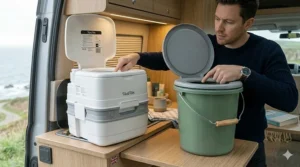
Portable Toilet Emptying Stations UK: Where to Go
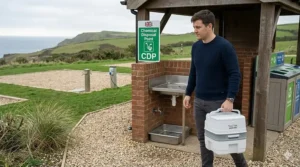
Understanding where you can legally empty your porta potti for small campervans is crucial. Under UK law, “chemical toilet waste should NEVER be emptied ANYWHERE other than a designated area at a campsite, a motorhome service point, or in your own sewage system at home”.
Types of Disposal Points in the UK
Chemical Disposal Points (CDP): Also called Elsan points or black waste disposal points, these dedicated facilities exist at:
- Almost all UK campsites and caravan parks
- Many motorway service stations
- Marina facilities
- Dedicated motorhome service points
Finding Disposal Facilities: Technology has simplified locating facilities, with the CaMPA map showing detailed coverage in Scotland, and CAMpRA providing guides across the entire UK. Mobile apps like “Park4Night” and “Campercontact” also list thousands of disposal points with user reviews.
Legal Requirements
It is illegal to dump sewage waste into the environment, with fixed penalty notices or prosecution including potential imprisonment and fines. The Environmental Protection Act 1990 and the Control of Pollution (Amendment) Act 1989 regulate waste disposal, collection, and transport to protect the environment and public health. Never empty porta potti waste into:
- Rivers, streams, or lochs
- Surface drains or roadside ditches
- Undergrowth or vegetation
- Grey water disposal points (these are for sink/shower waste only)
Scotland-Specific Guidance: For those wild camping in Scotland, biological or septic tank friendly toilet additives are recommended since many small campsites connect to septic tanks.
Home Disposal
If camping near your residence, you can empty the waste tank into your domestic toilet. Rinse thoroughly with clean water and antibacterial spray afterwards. This proves particularly convenient for local weekend trips or when returning from longer adventures.
Porta Potti vs Cassette Toilet: Which Suits Small Campervans?
The debate between portable and fixed cassette toilets divides the campervan community. Let’s examine both objectively.
Porta Potti Advantages
Flexibility: Store under seats, in cupboards, or in the boot. Remove completely when not needed, reclaiming precious living space.
Lower Cost: Quality porta pottis range from £65-£170, whilst cassette toilet installation (including plumbing and cabinetry) typically costs £500-£1,500.
Transferability: Take your porta potti to your next campervan conversion. No permanent modifications required.
Ideal For: Part-time campers, multiple vehicle users, renters, and those converting vans on tight budgets.
Cassette Toilet Advantages
Convenience: Fixed location with dedicated privacy space. No setup or storage juggling required.
Larger Capacity: Integrated cassettes often hold 20-23 litres with more comfortable seating positions.
Permanent Solution: Creates a proper “bathroom” experience if you have space for permanent cabinetry.
Ideal For: Full-time van lifers, larger conversions (LWB vans, panel vans), and those prioritising comfort over flexibility.
For small campervans specifically (VW California, T5/T6 conversions, Mercedes Marco Polo), porta pottis make more practical sense given limited space and the need for multi-functional interiors.
✨ Don’t Miss These Exclusive Deals!
🔍 Take your campervan adventures to the next level with these carefully selected products. Click on any highlighted item to check current pricing and availability on Amazon.co.uk. These tools will help you create authentic camping experiences your family will love!
Choosing the Right Porta Potti: 7 Essential Factors
1. Measure Your Storage Space Precisely
Before falling in love with any model, grab a tape measure. The difference between 313mm and 387mm height could determine whether your porta potti fits in that perfect underseat cubby.
Pro Tip: Measure the access opening as well as the storage space itself. Some cupboards have wide interiors but narrow doors, making it impossible to slide larger models inside.
2. Calculate Your Typical Trip Length
Weekend warriors need different solutions than week-long adventurers. Be honest about your usage patterns:
- Day trips/overnight: 10L capacity sufficient
- Long weekends (2-3 nights): 15-21L recommended
- Week-long tours: 21L minimum, or plan disposal stops
3. Consider User Numbers
Solo travellers manage comfortably with 10L tanks. Families with young children will curse themselves for choosing insufficient capacity. Remember that children often need more frequent toilet visits than adults.
4. Evaluate Your Physical Capability
A full 21L waste tank weighs approximately 25kg. If you struggle with heavy lifting, consider:
- Smaller capacity models requiring more frequent (but lighter) emptying
- Models with good carrying handles
- Wheeled cassette options if upgrading from porta potti
5. Match Flush Type to Preference
Piston Pump: More efficient, requires less pumping, typically found on premium models. Better for hard water areas where deposits may clog bellows.
Bellows Pump: Tried-and-tested, reliable, requires more pumping strokes. Perfectly adequate for most users and reduces initial cost.
Push-Button: Effortless operation but requires periodic pressurising. Excellent for those with limited hand strength or arthritis.
6. Budget Realistic
Don’t just consider purchase price. Factor in:
- Chemical toilet fluids (£8-£15 per bottle lasting 4-6 weeks)
- Specialist toilet paper (£3-£5 per pack) – important for preventing clogs
- Potential hold-down kits (£15-£30) if securing in place
- Carry bags for transport/storage (£20-£35)
7. Read UK Customer Reviews
Focus on reviews from British buyers specifically, as they’ll highlight UK-specific issues like availability of chemicals, compatibility with British campsites, and performance in UK weather conditions.
Wild Camping Regulations UK: What You Need to Know
Planning overnight wild camping trips? Understanding UK regulations helps you enjoy nature responsibly whilst staying legal.
England and Wales
Wild camping is illegal in England and Wales without landowner permission, with camping prohibited under the Countryside and Rights of Way Act. However, there’s a crucial exception: the Court of Appeal ruled in 2023 that Dartmoor Commons permit wild camping as part of “open-air recreation”.
Practical Reality: In mountainous areas like the Lake District and Snowdonia, wild camping is “tolerated” if you arrive late, leave early, pitch away from civilisation, and leave no trace.
Scotland
Scotland’s Land Reform Act 2003 established public access rights permitting camping on unenclosed land, making it the UK’s most wild camping-friendly nation. However, this applies to tent camping only – not campervans.
For campervan owners in Scotland, you still need landowner permission or should use designated parking areas. The Loch Lomond & Trossachs National Park operates a permit system for certain areas during peak season, as outlined in the Scottish Outdoor Access Code.
Northern Ireland
Wild camping requires landowner permission throughout Northern Ireland, similar to England and Wales.
Responsible Disposal
Having a porta potti means you can camp responsibly without creating environmental hazards. The UK Environment Agency emphasises that improper waste disposal can contaminate water sources and harm ecosystems. Never bury toilet waste or dispose of it inappropriately in wild areas – always transport it to proper disposal facilities.
According to CaMPA Scotland, “It is illegal to dump sewage waste into the environment. Fixed penalty notices can be issued, or individuals can be prosecuted and face imprisonment and/or a fine.” This applies across all UK nations and reflects regulations under the Environmental Protection Act 1990.
Maintenance and Care: Extending Your Porta Potti’s Life
Proper maintenance keeps your portable toilet functioning hygienically for years.
Daily Use Best Practices
Add Chemical Before First Use: Pour toilet chemical into the waste tank before initial use. This starts odour control immediately and helps break down waste.
Don’t Flush Standard Toilet Paper: Use Thetford’s Aquasoft toilet roll or similar products designed to decompose quickly. Standard bathroom tissue can clog the system and make emptying difficult.
Rinse After Each Use: A quick flush helps prevent deposits forming in the bowl and maintains hygiene between thorough cleans.
Empty Before Full: Don’t wait until the tank reaches maximum capacity. Emptying at 75-80% full makes the process easier and prevents spillages.
Weekly Maintenance
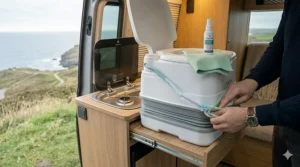
Thorough Cleaning: After emptying, “rinse several times and tip into the loo, before spraying the inside with anti-bac spray and showering the whole thing down”.
Lubricate Seals: Apply silicone spray to rubber seals quarterly to maintain airtight closure and prevent odours.
Check Mechanisms: Test the flush pump and ensure all latches click firmly. Address any looseness immediately.
Storage Between Trips
Leave Open to Air: After cleaning, “leave it open to air for a few days” to prevent any lingering odours.
Store in Cool, Dry Location: Avoid leaving in hot vehicles for extended periods, as this can degrade plastic components and seals.
Protect from Frost: If storing in unheated spaces during winter, ensure tanks are completely empty and dry to prevent freeze damage.
Winter Camping with Porta Potti: Cold Weather Considerations
British winter camping presents unique challenges for portable toilet users. Understanding how cold temperatures affect your porta potti helps you avoid frozen disasters and maintain comfort during those chilly Highland adventures.
Freeze Prevention Strategies
Temperature Thresholds: Most portable toilets can withstand temperatures down to -10°C when properly maintained, but the fluids inside become vulnerable below freezing. Water in the flush tank freezes at 0°C, potentially cracking the tank if expansion occurs.
Insulation Techniques:
- Wrap the toilet in a sleeping bag or insulated cover when temperatures drop below 0°C
- Store in the van’s living area rather than unheated storage compartments
- Add a small amount of antifreeze solution (caravan-safe type) to flush water in extreme cold
- Never use automotive antifreeze, as it’s toxic and damages rubber seals
Chemical Performance in Cold
Standard toilet chemicals work less effectively below 5°C because bacteria slow their digestive activity. Winter-specific formulations contain accelerators that maintain performance down to freezing temperatures. These cost slightly more (£12-£18 versus £8-£12) but prove worthwhile for January Scottish trips.
Pro Tip: Some experienced winter campers keep their porta potti in a small tent or makeshift cupboard near a hot water bottle overnight. The marginal heat prevents freezing without requiring van heating throughout the night.
Emptying in Winter Conditions
Frozen ground and icy surfaces make navigating to disposal points treacherous when carrying a full 25kg toilet. Consider:
- Emptying more frequently (at 50-60% capacity) to reduce weight
- Wearing proper winter boots with good grip
- Using wheeled carry bags for easier transport across ice
- Planning disposal stops during warmer midday hours
Space-Saving Installation Ideas for Small Campervans
Maximising limited space separates brilliant small campervan conversions from cramped, uncomfortable ones. These clever installation approaches help integrate porta potties seamlessly.
Underseat Storage Solutions
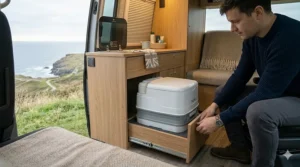
Sliding Drawer System: Build a custom plywood drawer that slides out from beneath your rock-and-roll bed or bench seat. The Thetford 335’s compact 342mm width allows it to fit between wheel arches in most VW Transporters.
Quick-Access Cupboards: Install side-opening cupboards with magnetic catches. This provides faster access than lift-up seats whilst keeping the toilet completely hidden during daytime.
Dual-Purpose Design: Create underseat storage that houses both toilet and spare water jerry cans. Stack vertically with the lighter toilet on top for easier removal.
Boot/Rear Storage Integration
Removable False Floor: Build a raised false floor in your boot area. Store the porta potti underneath alongside other camping equipment. When needed, remove the floor panel and slide the toilet into position.
Tailgate Tent Integration: If using a tailgate tent system, dedicate a small section for toilet storage. The tent provides privacy during use without requiring permanent interior modifications.
Privacy Solutions Without Permanent Bathrooms
Popup Privacy Tent (£25-£50): Lightweight privacy tents set up in 30 seconds outside your van. Store flat when not needed, perfect for wild camping where space matters.
Curtain Systems: Install ceiling-mounted curtain tracks that create a temporary bathroom area. Combine with the porta potti stored nearby for instant facilities.
Rotating Passenger Seat: On vans with rotating passenger seats, spin the seat backward to create a privacy screen between the toilet area and living space.
Troubleshooting Common Porta Potti Problems
Even quality portable toilets occasionally develop issues. Recognising and resolving problems quickly saves camping trips from disaster.
Flush Pump Not Working
Symptom: Pump handle moves but water doesn’t flow, or very little pressure develops.
Common Causes:
- Air lock in the system (most common)
- Clogged filter at base of flush tank
- Worn pump seals
Solutions: Remove the flush tank and shake vigorously to dislodge airlocks. Check the small filter screen where the tank connects to the bowl – toilet chemical residue often blocks this. If seals have perished, replacement pump kits cost £15-£25 and install in 10 minutes using a Phillips screwdriver.
Persistent Odours
Symptom: Smells escape even when toilet lid is closed and chemicals have been added.
Common Causes:
- Worn rubber seal between upper and lower sections
- Blade seal (the sliding valve) damaged
- Chemical concentration too low
- Tank not emptied frequently enough
Solutions: Replace the main seal (£8-£12 for genuine parts). Clean the blade seal weekly with soap and water, lubricating afterwards with silicone spray. Double-check you’re using correct chemical dosage – hard water areas may require extra chemical.
Leaking from Base
Symptom: Liquid pools beneath the toilet after flushing or during transport.
Common Causes:
- Loose connection between tanks
- Damaged pour-out spout seal
- Overfilled waste tank causing pressure leaks
Solutions: Empty the waste tank immediately. Check that both sections lock together firmly – you should hear a distinct click. Inspect the pour-out spout cap for cracks or worn rubber seals. Replace if damaged. Never fill waste tank beyond the maximum line, as overflow will find any small gap.
Difficult Emptying
Symptom: Waste doesn’t flow smoothly from the tank or blocks the pour spout.
Common Causes:
- Using standard toilet paper instead of quick-dissolve type
- Insufficient chemical causing solid buildup
- Infrequent emptying allowing waste to solidify
Solutions: Prevent rather than cure by always using proper toilet tissue. If already blocked, add extra chemical and warm water (not boiling), then leave for 2-3 hours to break down deposits. Pour slowly, pausing to allow material to flow. For severe blockages, use a dedicated toilet tank cleaning rod (£10-£15).
✨ Grab Your Perfect Porta Potti Today!
💚 These expertly chosen toilets transform your campervan from basic transport to proper mobile home. Whether you’re conquering the NC500, wild camping in Snowdonia, or simply enjoying weekend breaks across the UK, the right portable toilet changes everything. Check live prices and UK availability now!
Environmental Considerations: Eco-Friendly Porta Potti Practices
Responsible environmental stewardship matters, especially when enjoying Britain’s precious wild spaces. Modern porta potti ownership can be surprisingly eco-conscious with informed choices.
Chemical-Free Alternatives
Traditional blue toilet chemicals contain formaldehyde and other compounds that, whilst safe when disposed of properly, carry environmental concerns. According to research published by UK environmental agencies, improper chemical disposal can affect aquatic ecosystems and soil microbiology.
Green Chemical Options: Brands like Thetford Aqua Kem Green and Elsan Organic use enzyme-based formulations without harsh chemicals. These cost £1-£2 more per bottle but biodegrade more readily and work particularly well with septic tank systems common at smaller UK campsites.
Composting Alternatives: Models like the Blue Diamond Eco toilet eliminate chemicals entirely, using natural decomposition with sawdust or wood shavings. Perfect for Scottish wild camping where chemical disposal facilities might be far apart.
Water Conservation
Traditional flush toilets use 6-9 litres per flush. Porta potties use just 0.25-0.5 litres, representing significant water savings. Over a typical camping year (30 nights), this saves approximately 300-500 litres of water compared to using campsite facilities.
Greywater Reuse: Some innovative campers collect their van’s greywater (from washing up, not personal hygiene) and use it for initial toilet flushing, reserving fresh water for final rinses. Whilst unconventional, this approach aligns with water conservation principles in drought-prone areas.
Responsible Disposal Impact
Using designated Chemical Disposal Points ensures waste reaches proper treatment facilities. According to the Environment Agency, treated sewage undergoes processes removing 95-99% of harmful bacteria before discharge, whereas wild dumping creates persistent contamination.
Many modern UK treatment works employ anaerobic digestion systems that generate biogas from sewage, contributing renewable energy. Your porta potti waste, properly disposed of, potentially powers homes through methane capture.
UK Campsite Facilities: What to Expect
Understanding typical UK campsite provision helps you appreciate how porta potties complement rather than replace traditional facilities.
Tiered Campsite Categories
Basic Sites (Camping and Caravanning Club Certificated Locations): Limited to 5 touring units, these often provide only basic chemical disposal and water. Your porta potti proves essential here, as toilet blocks may not exist.
Standard Campsites: Usually feature toilet blocks within 200 metres of all pitches. However, nighttime walks in rain or cold make porta potties invaluable. Shower facilities, washing up areas, and chemical disposal points are standard.
Premium Sites (5-Star Parks): Heated toilet blocks, disabled facilities, family bathrooms, and often en-suite serviced pitches. Even here, many campervanners prefer their own facilities for convenience and COVID-conscious practices.
Wild/Informal Stops: Forestry Commission car parks, pub overnight parking, and similar spots offer no facilities whatsoever. A porta potti transitions these from emergency stops to comfortable overnight options.
Chemical Disposal Point Etiquette
The Camping and Caravanning Club emphasises proper CDP usage maintains facilities for everyone:
Do:
- Rinse thoroughly after emptying
- Replace covers and close hatches
- Dispose of toilet paper in the waste tank, not the CDP
- Report blockages or damage to site staff immediately
Don’t:
- Empty greywater into chemical points (use designated grey waste areas)
- Place fresh water hoses near CDPs (cross-contamination risk)
- Let children play around disposal points
- Flush non-degradable items like wet wipes or sanitary products
Following these guidelines preserves facilities and demonstrates respect for the camping community.
Porta Potti with Level Indicator: Worth the Upgrade?
Level indicators appear on mid-range and premium models, but do they justify the £15-£30 price premium?
How Indicators Work
Most systems use simple float mechanisms viewed through translucent plastic, showing:
- Empty (clear/white)
- Half-full (amber/orange)
- Nearly full (red)
More sophisticated models feature prismatic indicators that provide percentage estimates or even digital readouts on luxury porta potties costing £200+.
Practical Benefits
Planning Disposal Stops: Knowing you’re at 60% capacity helps plan motorway stops or campsite routes. Particularly valuable when touring Scotland’s remote regions where disposal facilities appear irregularly.
Avoiding Overfill Accidents: Nothing ruins camping faster than discovering your toilet has leaked because you overfilled it. Indicators prevent this embarrassment.
Chemical Efficiency: Indicators help gauge when chemical effectiveness diminishes, ensuring you empty before odours develop.
When Indicators Aren’t Essential
Solo travellers on short trips quickly learn their toilet’s capacity through experience. If you empty routinely (every 2-3 days regardless of fill level), indicators add minimal value.
Budget models without indicators work perfectly well; you simply check fill levels by carefully tilting the tank slightly or estimating based on usage patterns.
Verdict: For families, extended trips, or those new to porta potties, indicators provide peace of mind worth the modest extra cost. Experienced solo campers can skip this feature without issues.
Beginner’s First Week: What to Expect
Your first experiences with a porta potti for small campervans feel daunting. Here’s what typically happens and how to navigate it.
Day 1-2: The Squeamishness Phase
Most people feel uncomfortable initially. British reserve makes discussing toilets awkward, and handling waste feels unnatural. This is completely normal.
Reality Check: Within two days, you’ll realise it’s less unpleasant than expected. Modern chemicals eliminate odours effectively, and the process takes 5 minutes maximum.
Day 3-4: Finding Your Rhythm
You develop a routine: empty first thing in the morning before other tasks, add chemicals immediately, store properly. Muscle memory builds quickly.
Pro Tip: Many newcomers initially use excessive chemical. Start with recommended doses; you can always add more if needed but can’t remove excess.
Day 5-7: Confidence Builds
By the end of your first week, emptying feels routine. You’ve learned optimal flush frequency, perfect chemical dosage for your usage, and ideal emptying schedules.
Most campervanners report that by trip three or four, they forget the toilet even seemed difficult initially. Like reversing a van or using gas cookers, it becomes second nature.
Common First-Timer Mistakes
Overfilling Before Emptying: New users often wait too long, making tanks heavy and awkward. Empty at 75% rather than pushing to maximum.
Using Too Much Toilet Paper: Even quick-dissolve paper needs moderation. Three-four sheets per use prevents clogs.
Forgetting to Seal Properly: Always ensure sections lock together correctly and pour spout caps tighten fully. Quick checks prevent leaks.
Skipping Maintenance: After your first camping trip, thoroughly clean and dry everything. This prevents issues accumulating over multiple trips.
Essential Chemicals and Accessories
Toilet Fluids
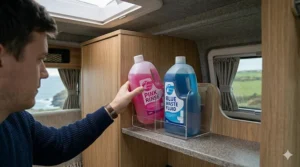
Blue/Green Chemical (Waste Tank): Controls odours and liquefies waste. Green chemicals work similarly to blue but avoid harsh chemicals like formaldehyde, making them more environmentally friendly. Expect to pay £8-£15 per bottle.
Pink Chemical (Flush Tank): Prevents limescale buildup and provides pleasant fragrance. Optional but recommended in hard water areas.
Recommended Accessories
Hold-Down Kit (£15-£30): Prevents movement during travel. Essential if your porta potti isn’t stored in a secured compartment.
Carry Bag (£20-£35): Protects toilet during storage and transport. Particularly useful if moving between vehicles.
Toilet Roll Holder (£8-£15): Keeps paper dry and accessible. Simple addition that improves user experience.
Biodegradable Bags: For composting toilets or emergency use. More environmentally friendly than chemical treatments.
Frequently Asked Questions
❓ How often should I empty a porta potti for overnight wild camping?
❓ What's the smallest porta potti that fits VW campervan conversions?
❓ Can I use normal toilet paper in a portable toilet?
❓ Where can I legally empty a porta potti in the UK?
❓ How long do portable toilet chemicals last in UK weather?
Conclusion: Finding Your Perfect Campervan Companion
Choosing the right porta potti for small campervans transforms your adventures from stressful bathroom hunts into comfortable, spontaneous journeys across Britain’s stunning landscapes. Whether you’re converting a VW Transporter, planning wild camping expeditions to the Scottish Highlands, or simply want peace of mind during long motorway journeys, the right portable toilet makes all the difference.
For most small campervan owners, I recommend starting with the Thetford Porta Potti 335 if space is paramount, or stepping up to the 365 model if you’ve got room and need greater capacity. The 335’s compact dimensions make it the default choice for tight VW conversions, whilst the 365 provides that extra capacity cushion for families and longer trips. Budget-conscious buyers should seriously consider the Dometic 972, which delivers excellent build quality at competitive prices.
Remember that beyond the toilet itself, successful campervan toileting requires understanding UK disposal regulations, choosing appropriate chemicals for British conditions, and maintaining your unit properly. Always use designated disposal points and follow responsible waste practices, particularly when enjoying Scotland’s generous wild camping access or exploring England’s tolerated mountain spots.
The freedom to pull over anywhere, knowing you’ve got proper facilities aboard, opens up camping opportunities that simply aren’t possible when relying solely on campsite blocks. From wild Dartmoor commons to remote Scottish glens, from midnight emergencies to early-morning nature calls, your porta potti provides dignity, comfort, and environmental responsibility wherever your adventures lead.
Ready to upgrade your campervan? Start by measuring your storage space, calculating typical trip lengths, and reviewing the comparison table above. Your perfect portable toilet awaits – and with it, a whole new level of camping freedom across the magnificent British countryside.
Recommended for You
- 7 Best Roof Vent Fan with Rain Sensor for Caravans UK 2026
- 7 Best 12v Caravan Heater for Off-Grid Winter Camping 2026
- 7 Best Caravan Duvet for Short Length Beds UK 2026
Disclaimer: This article contains affiliate links. If you purchase products through these links, we may earn a small commission at no additional cost to you. Prices shown are approximate and may vary.
✨ Found this helpful? Share it with your mates! 💬🤗
